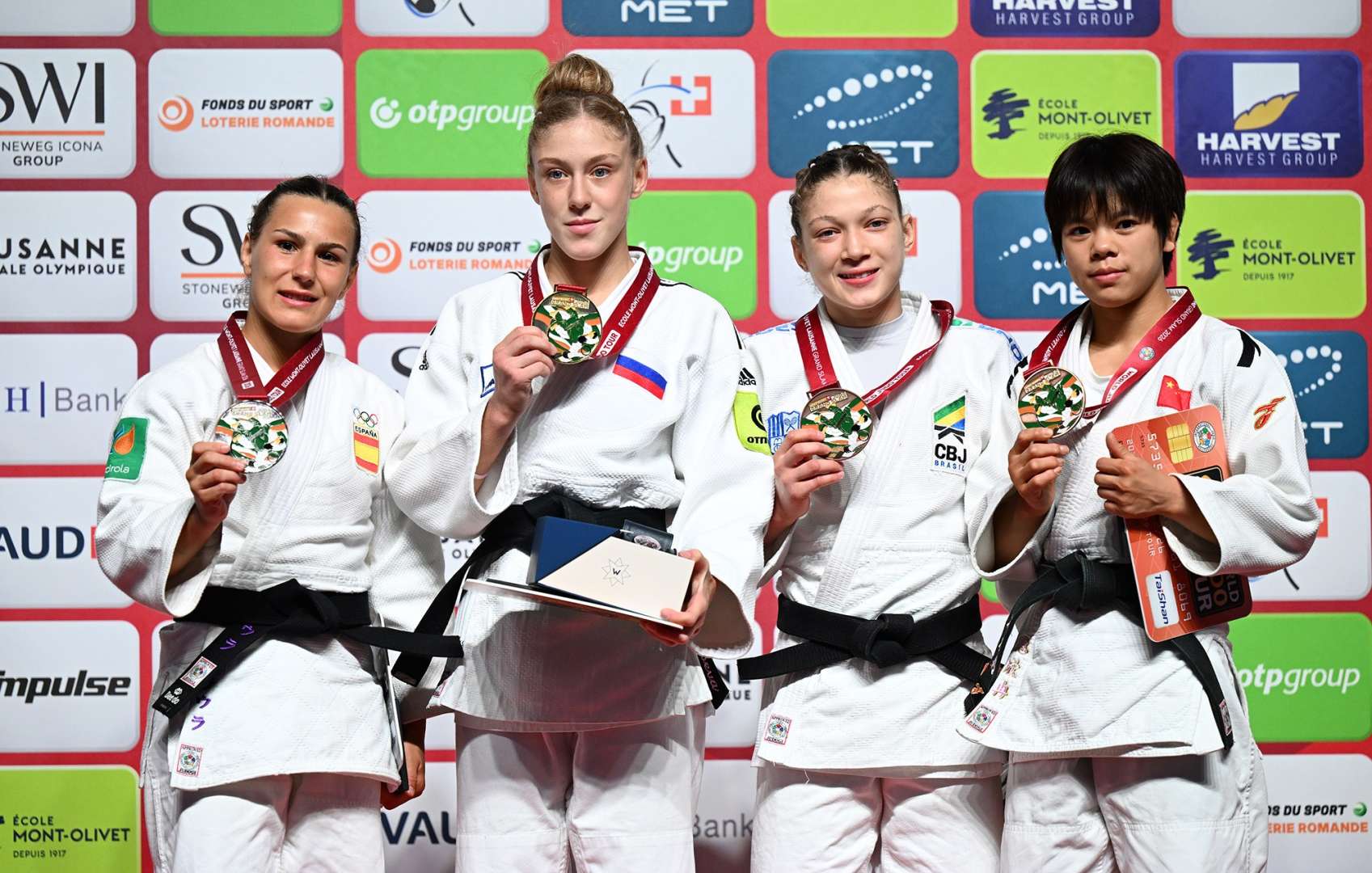

Across from her, Vorobeva had reached the final on the back of her own strong rise through the -48 kg category. The 24-year-old Russian judoka, ranked 17th in the world before the event, had taken bronze at the 2026 European Championships and at the Tbilisi Grand Slam, following a silver medal at the Ulaanbaatar Grand Slam in 2025. Her fifth place at the Qingdao Grand Prix in June had further confirmed her growing presence among the leading athletes in the category.
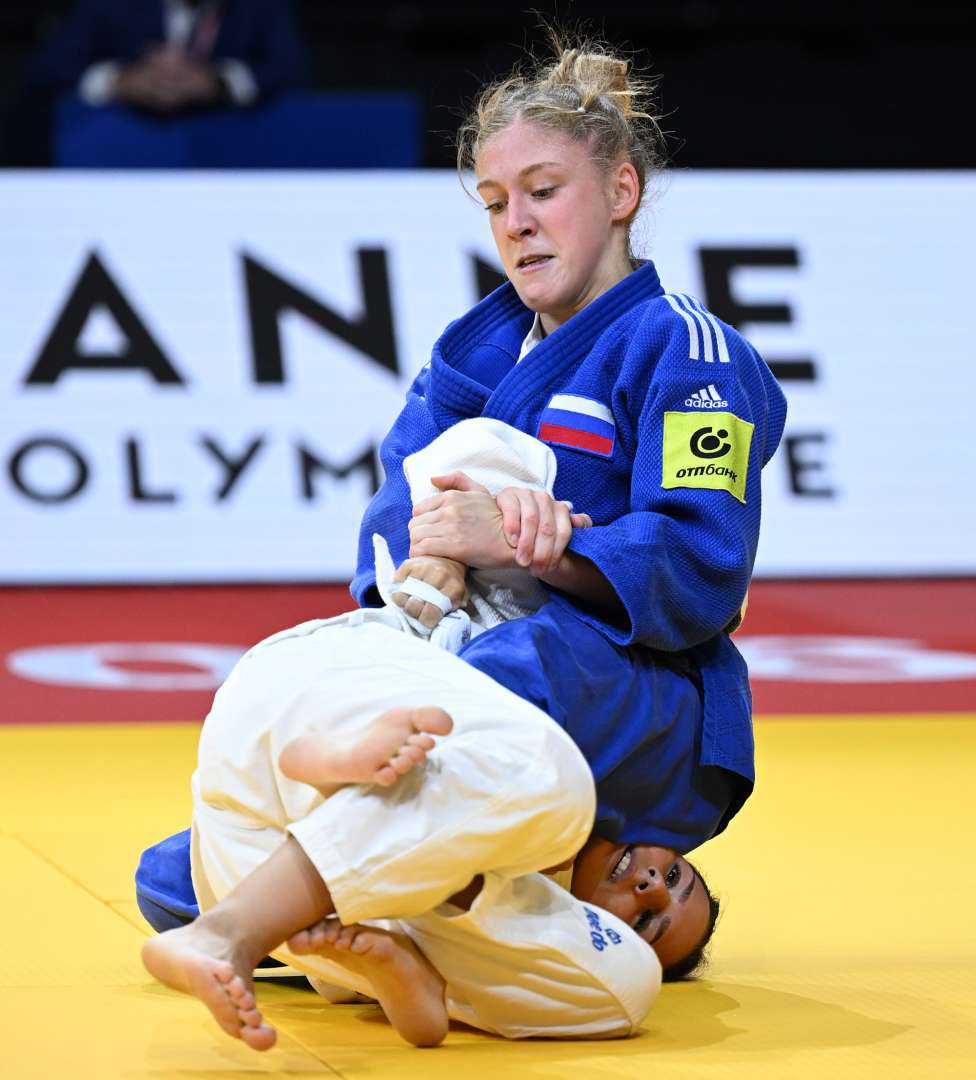
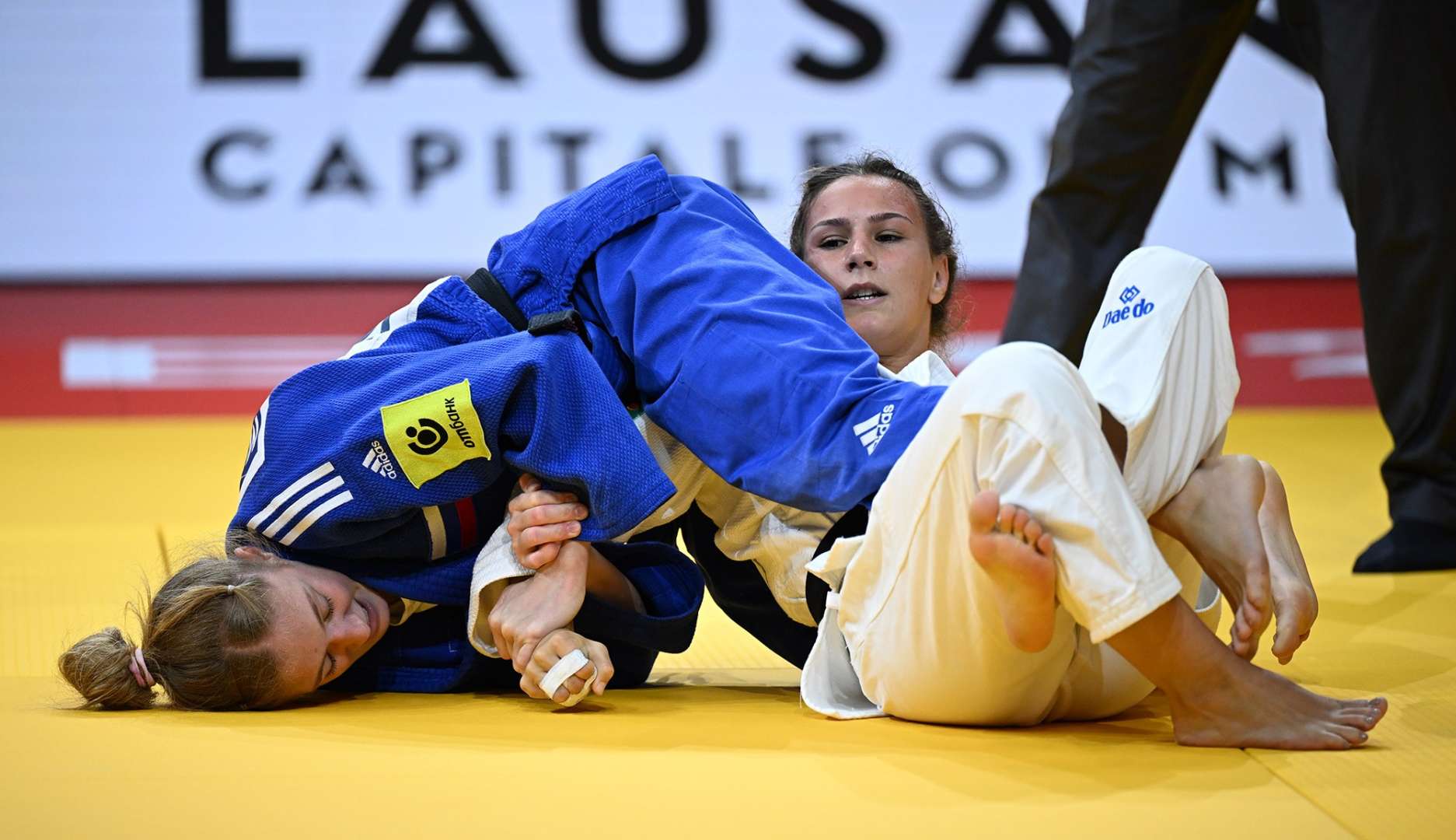
In the final, Martinez Abellenda received an early penalty and came under pressure when Vorobeva scored a waza-ari with ko-uchi-gari. In full control of the exchanges, the Russian imposed her rhythm and her style, giving her opponent no opportunity to regain the initiative. After sustained groundwork, Vorobeva secured an emphatic ippon without ever being seriously threatened. It was the first grand slam gold medal of her career.
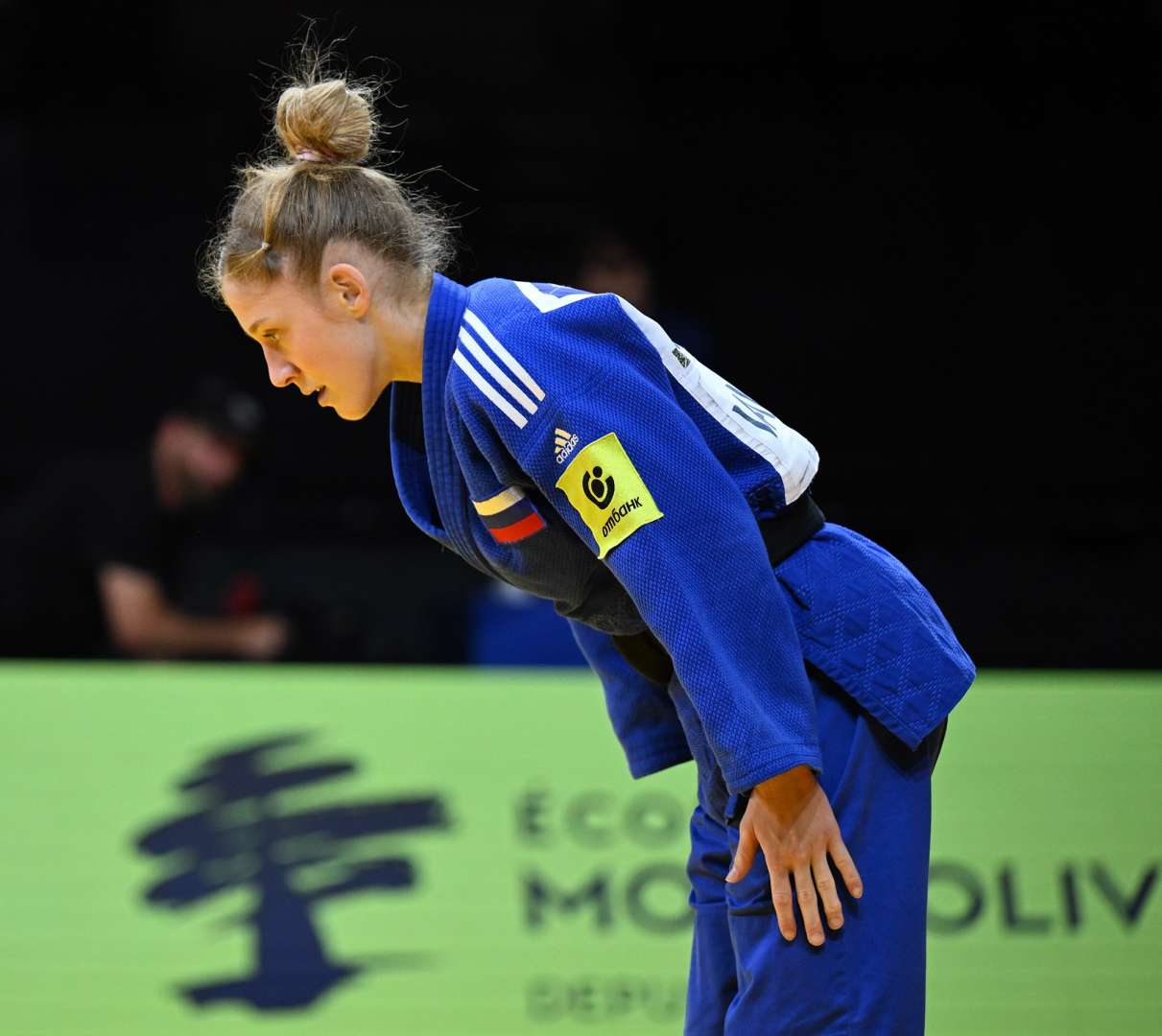
After the final, Vorobeva said, “This is my first senior-level international gold medal. I’ve done everything to prove I’m the strongest in this weight category and I just needed more experience and some error correction. Today, I’m glad I cleaned up my style and beat opponents I’d previously lost to. My contest against Boukli was the most crucial because she beat me at the last two European Championships. After each loss, I analyse my performance with my national and personal coaches."
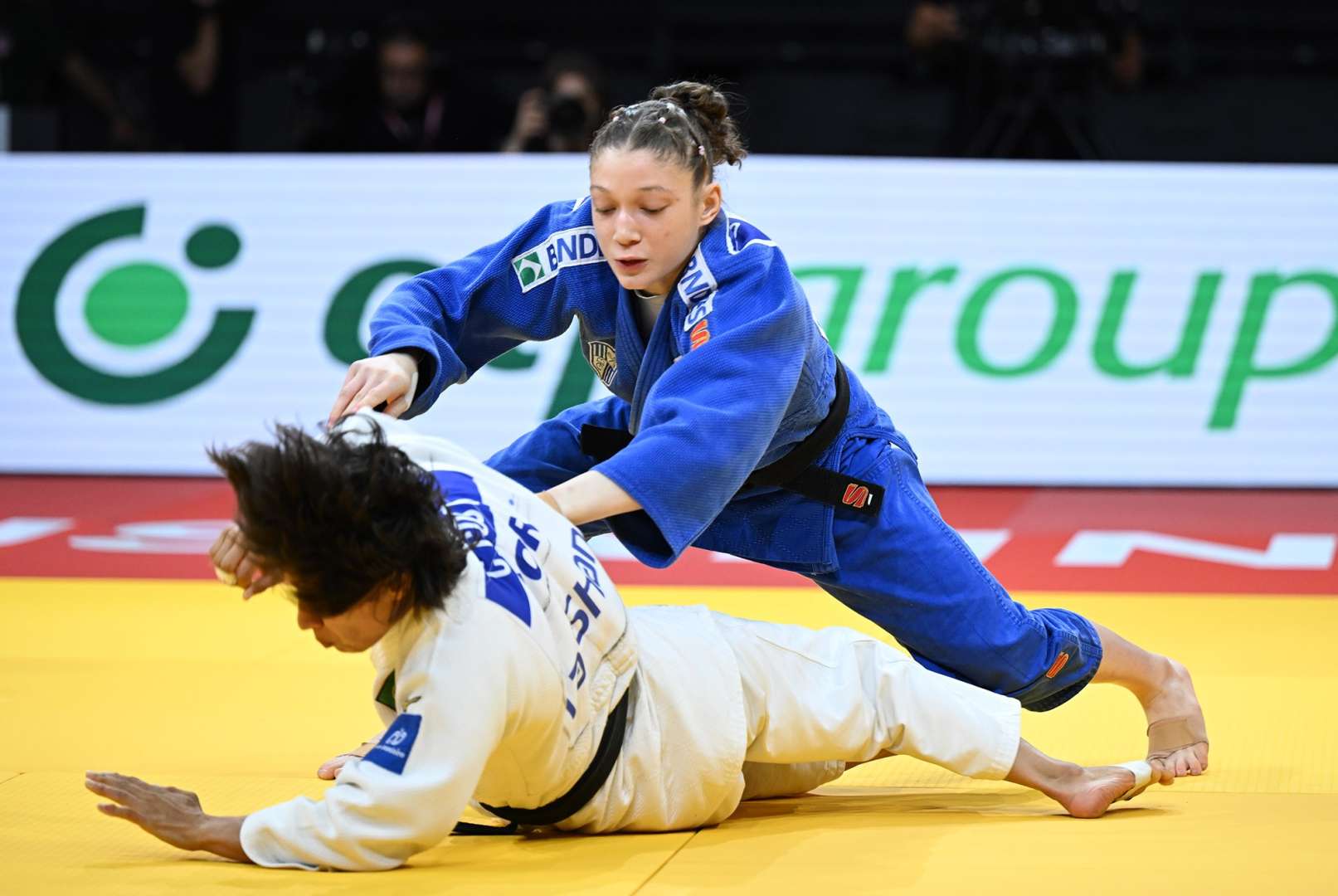
The bronze medal contests brought together Catarina Costa (POR) and Clarice Ribeiro (BRA), followed by Merve Azak (TUR) and Hui Xinran (CHN), with four nations still in contention for the podium. Ribeiro took the lead within seconds of the first contest, a small yuko with ko-uchi-gari. Unable to break the distance, Costa could not put her opponent under pressure and Ribeiro claimed her first grand slam medal.
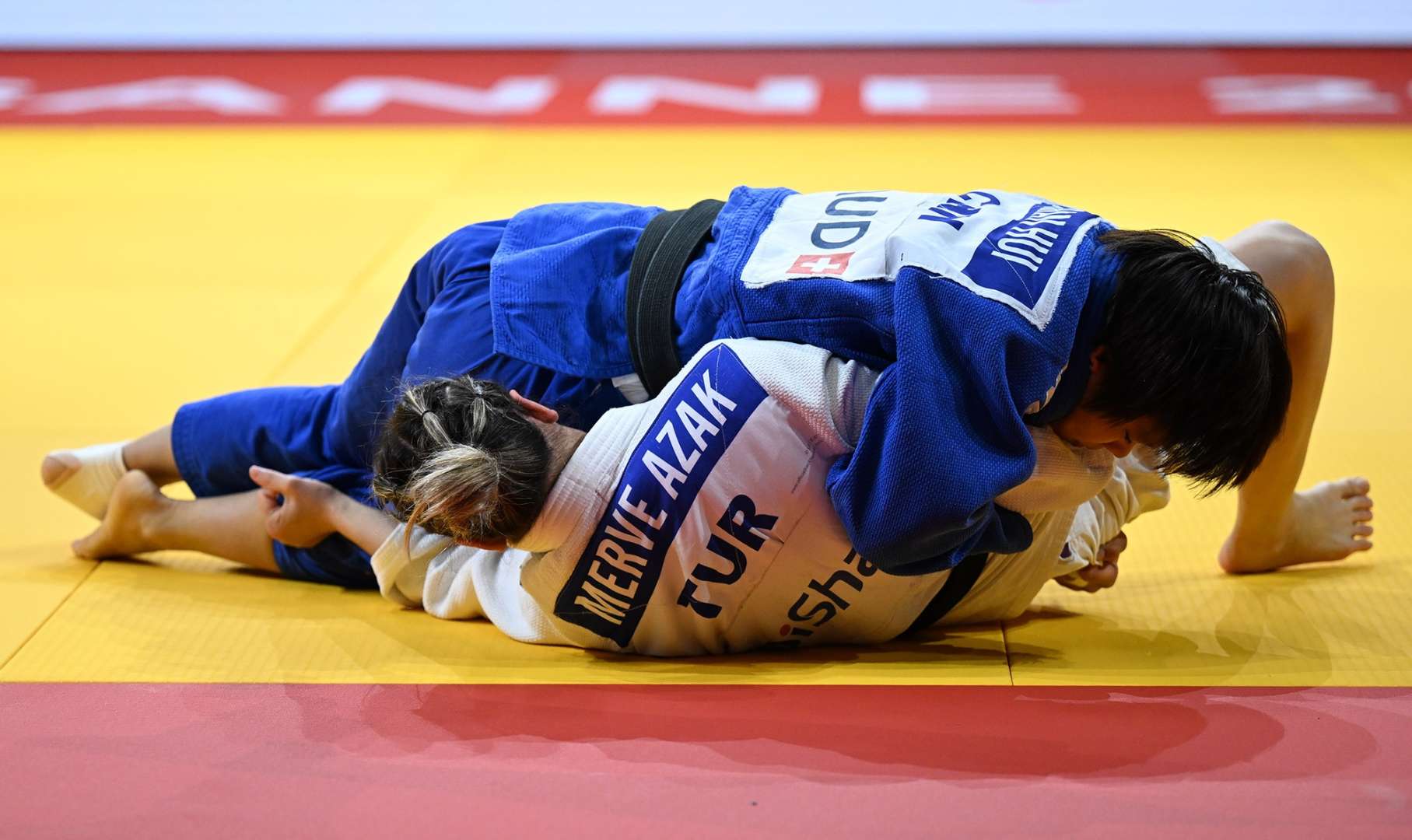
There was little suspense in the second bronze medal contest. After effective preparation on the ground, Hui immobilised Azak for a clear ippon, securing her seventh grand slam medal.
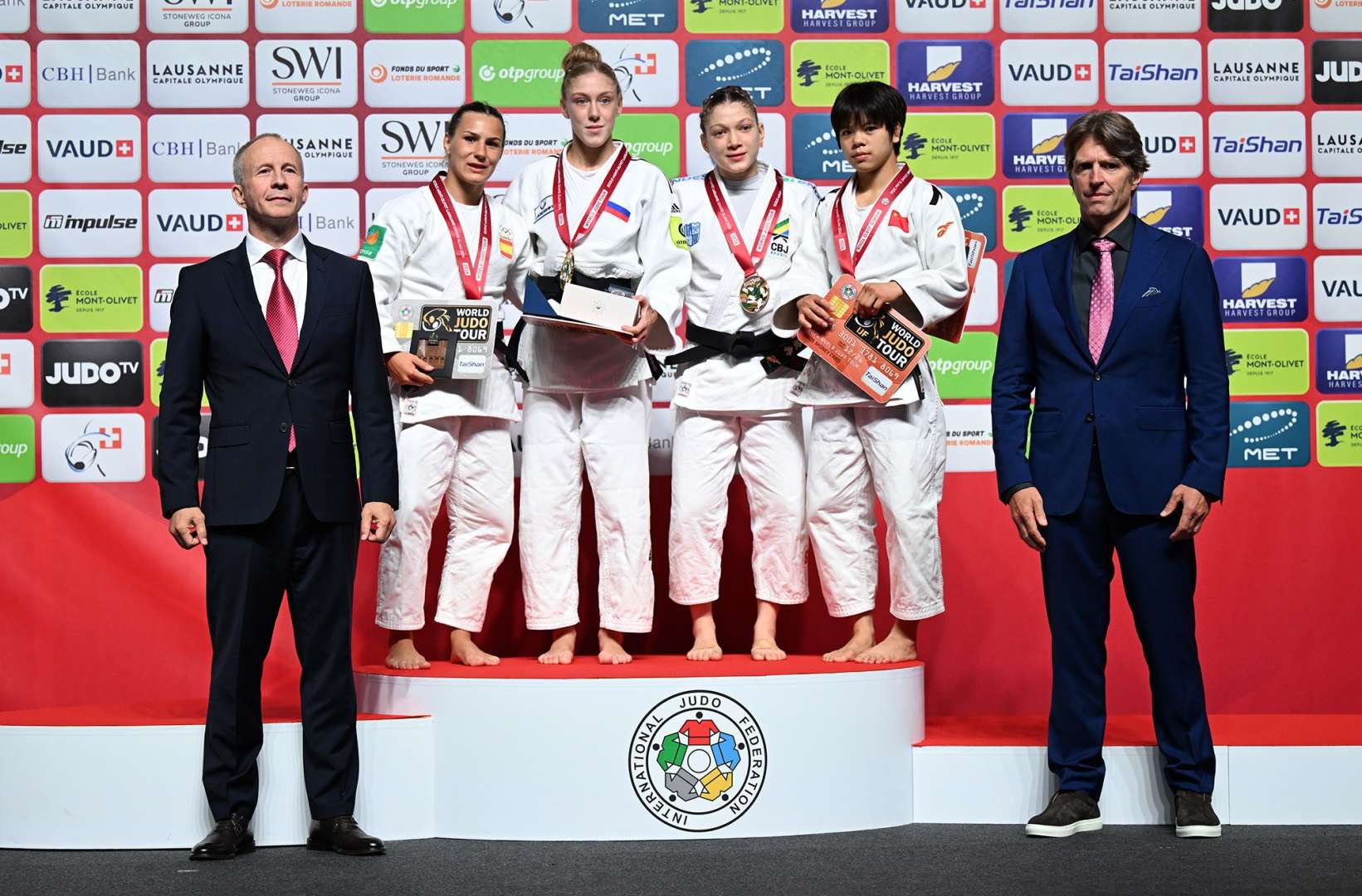
Final (-48 kg)
Bronze Medal Fights (-48 kg)