
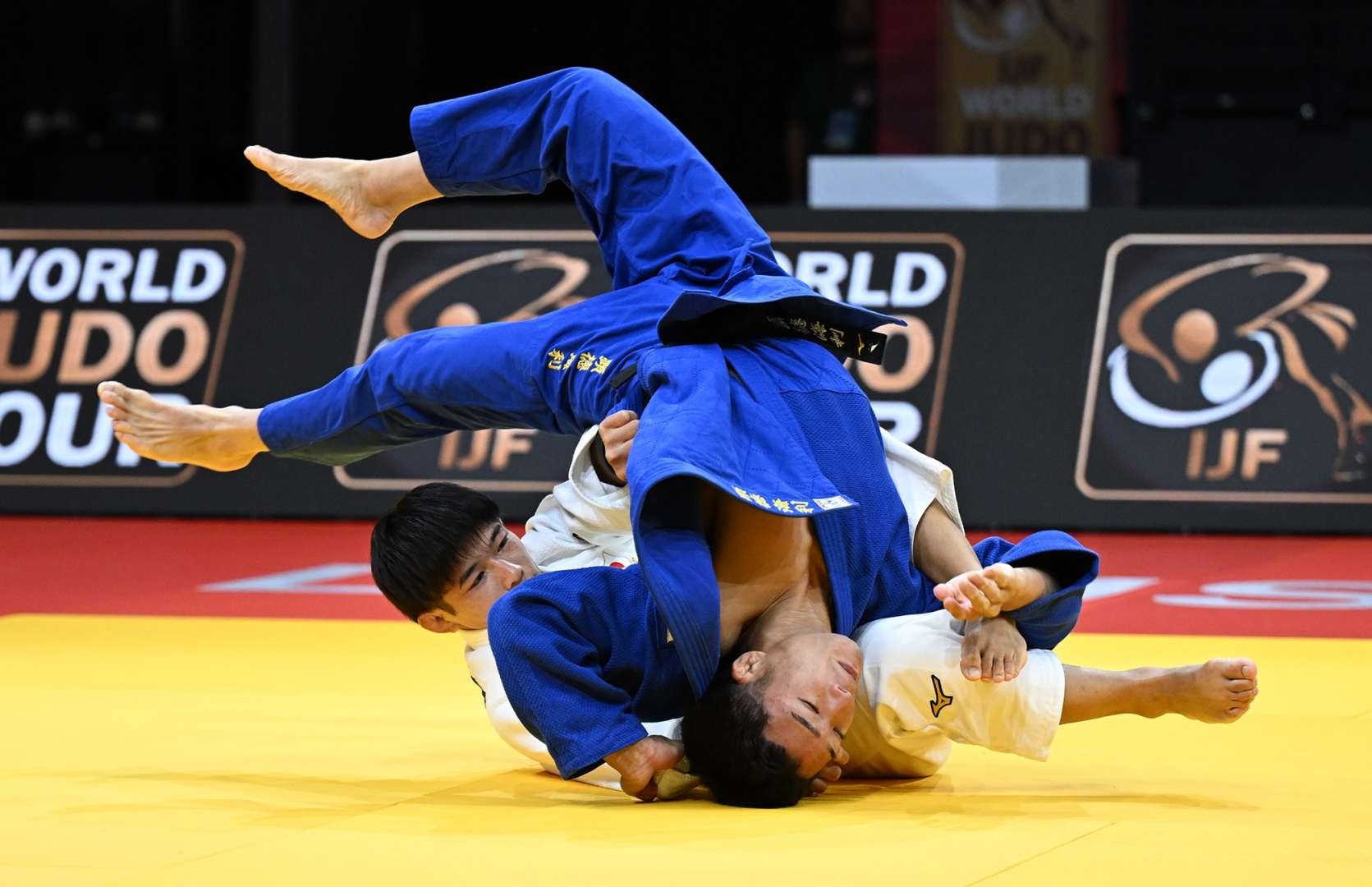
Kentoku, also 22, had arrived in Lausanne ranked 20th in the world and with a similarly impressive recent record. Japanese champion in 2025, he had followed that success with gold at the Rhine-Ruhr FISU World University Games, silver at the Tokyo Grand Slam and bronze at the Paris Grand Slam this year. With 16 ippon victories from 34 international contests, his progress had been as visible as it had been decisive. The Lausanne final therefore brought together two young judoka already making their mark within one of the most competitive national systems in world judo.
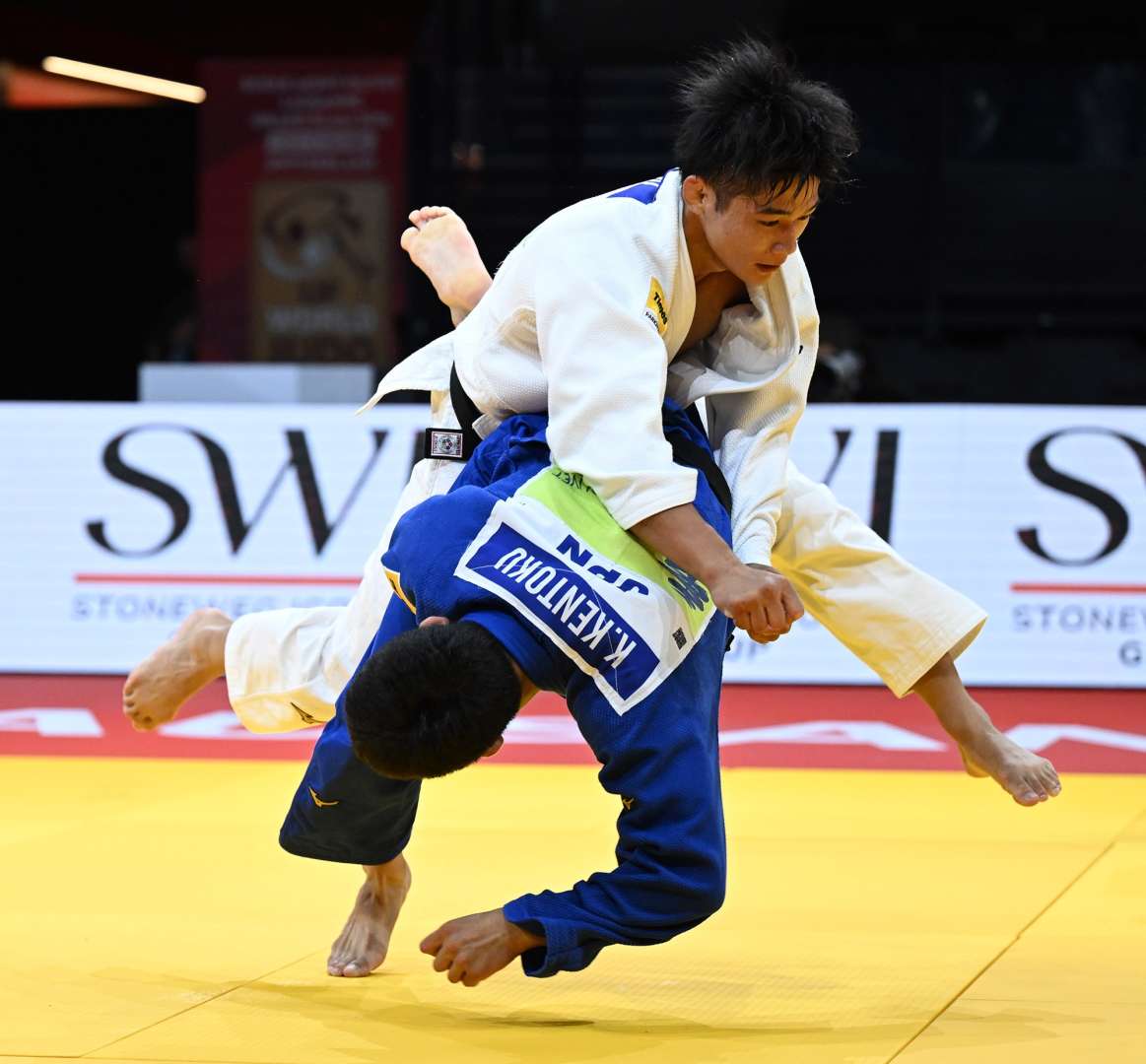
As expected, the final was a closely fought contest between two judoka who knew each other perfectly and gave away nothing. Kentoku entered golden score with two penalties, opposite one for Hattori, but Hattori was then penalised again, bringing the score level. Four minutes into the additional period, the technique everyone had been waiting for finally arrived. Kentoku’s textbook uchi-mata was magnificent; ippon and the gold medal. This is his first at grand slam level.
After his final, Kentoku spoke enthusiastically, “I feel so honoured to become a champion for the first time in Switzerland, especially since this was my first time competing in this country and on such a great stage. When I won, I broke down in tears because I immediately thought of everyone who has supported me along the way, my university head coach, my other coaches, friends and parents. Winning this title brought all of their faces to mind.”
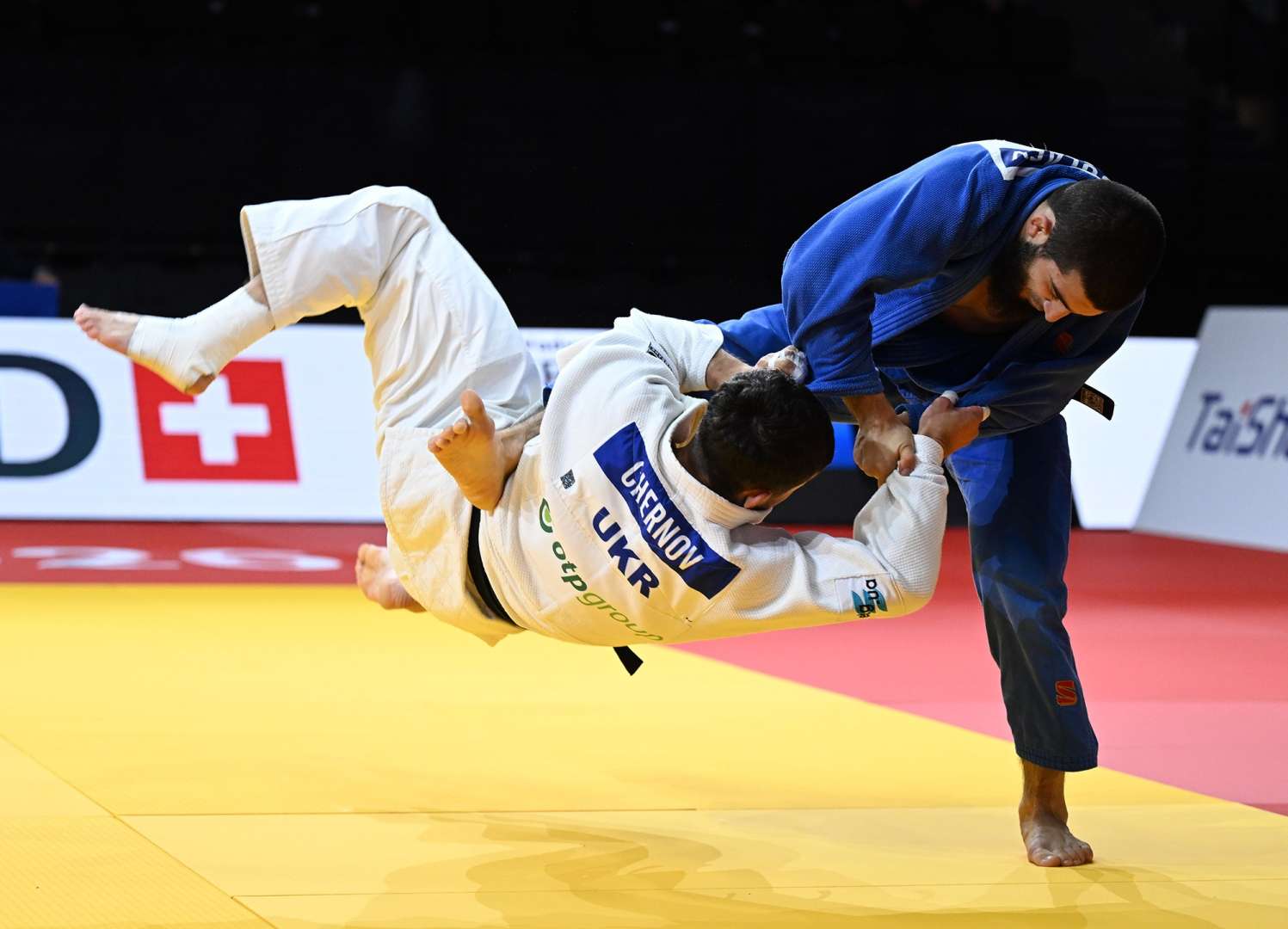
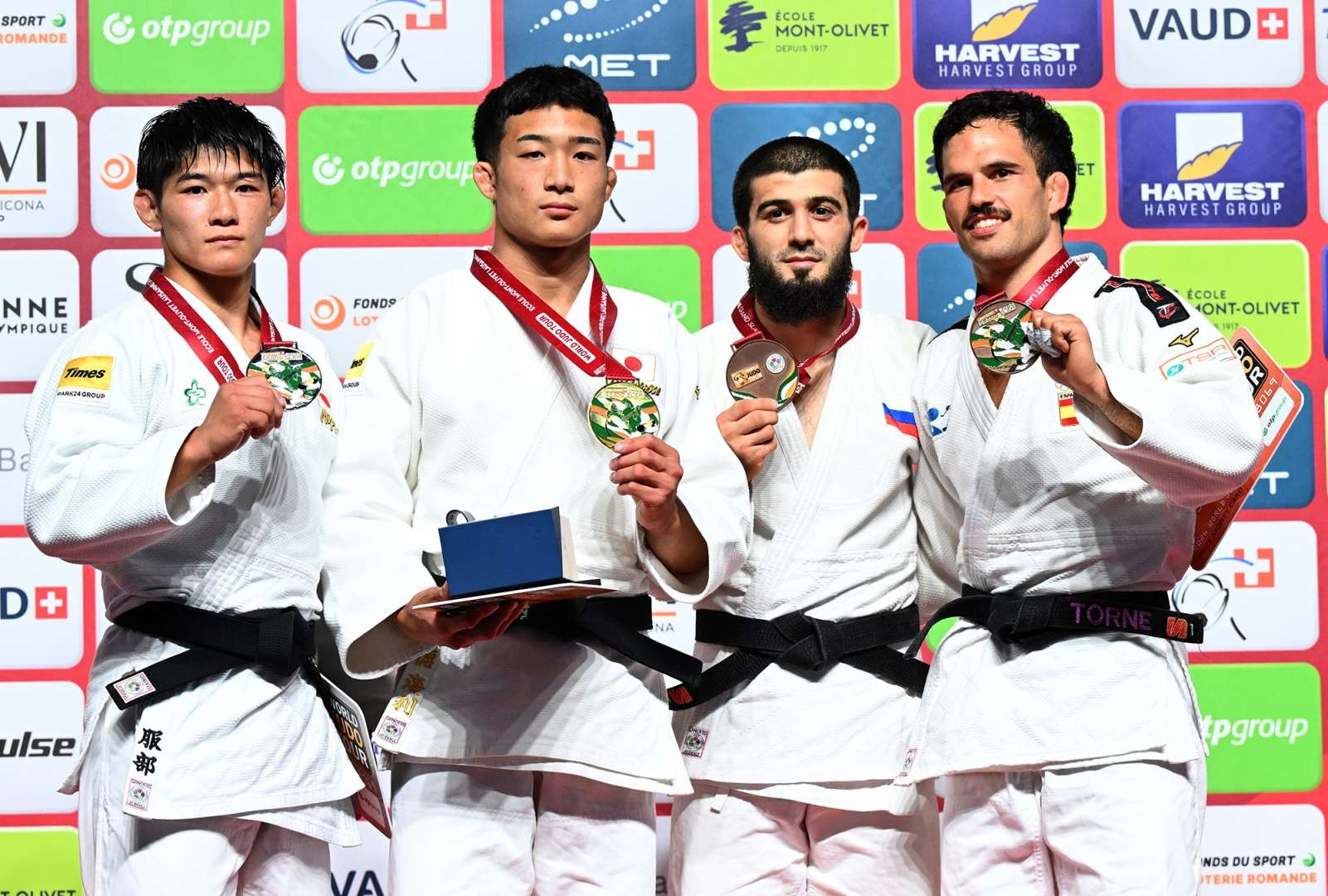
The bronze medal contests brought together Vadym Chernov (UKR) with Ramazan Abdulaev (RUS), and Channyeong Kim (KOR) with David Garcia Torne (ESP). Chernov took the lead in the first contest with a yuko, immediately answered by Abdulaev’s own score.
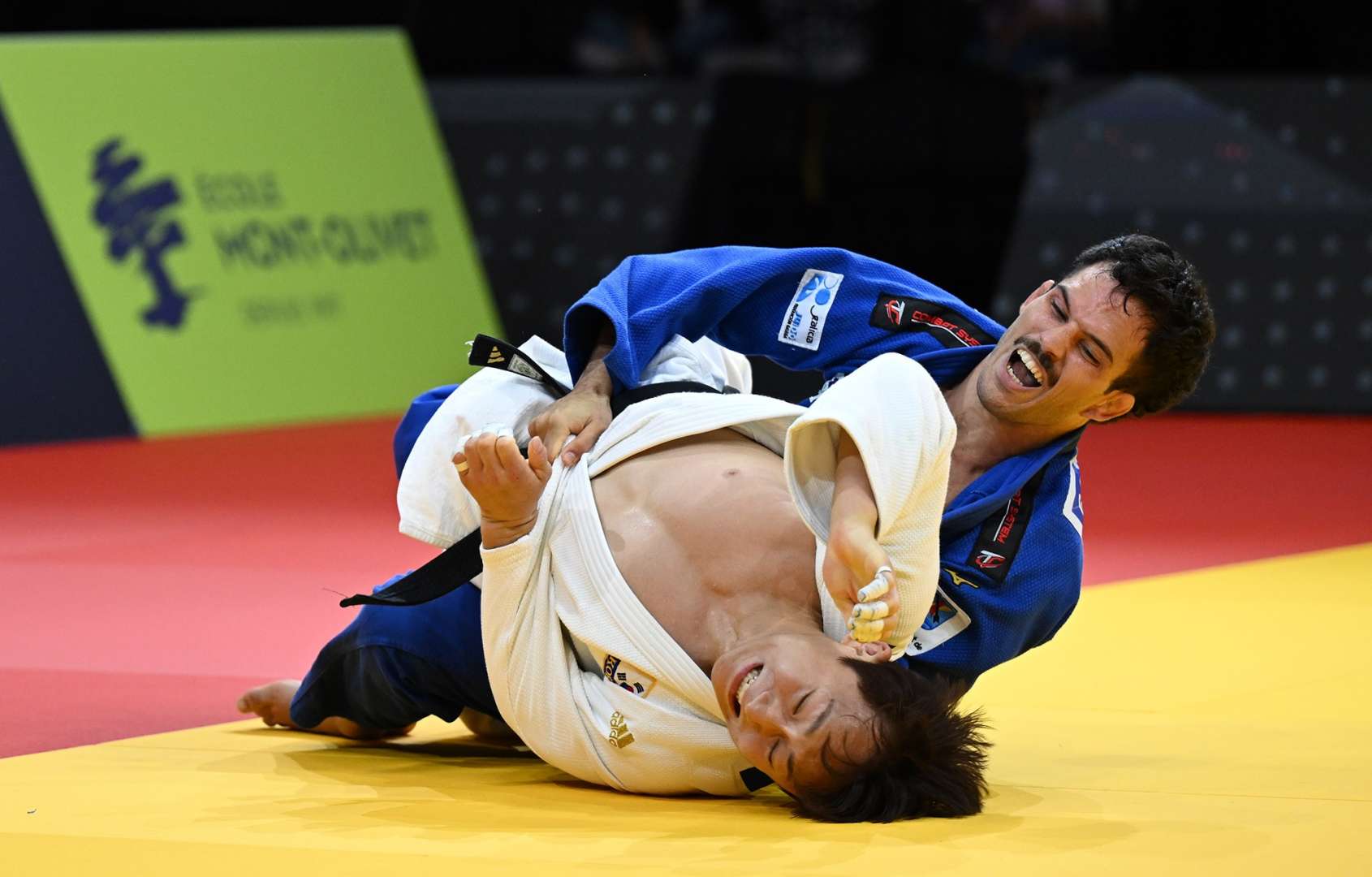
In golden score, Abdulaev countered his opponent for the yuko that secured him the bronze medal. The second bronze medal went to Garcia Torne, adding another fine result to the Spanish judoka’s record.
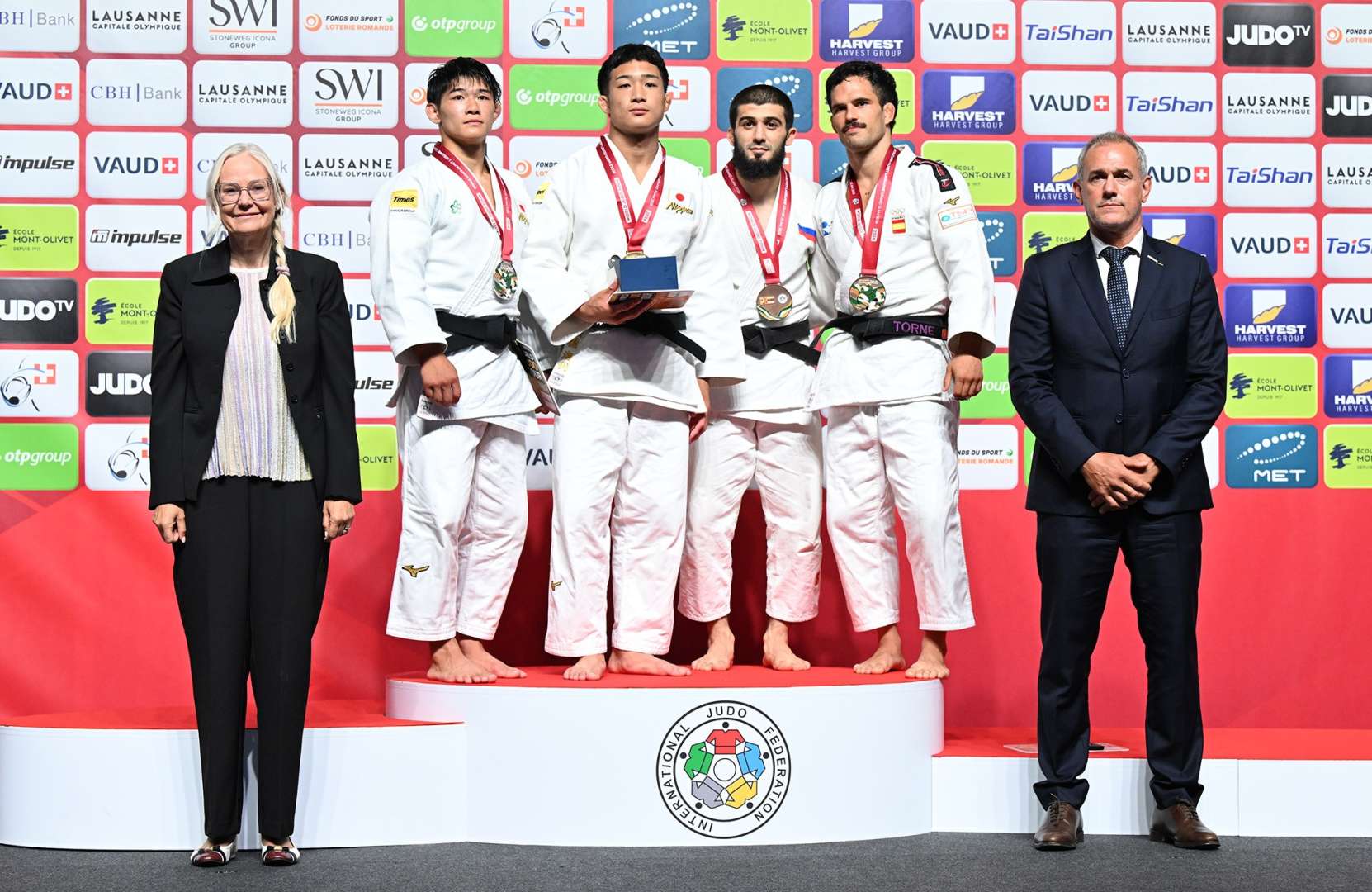
Final (-66 kg)
Bronze Medal Fights (-66 kg)