

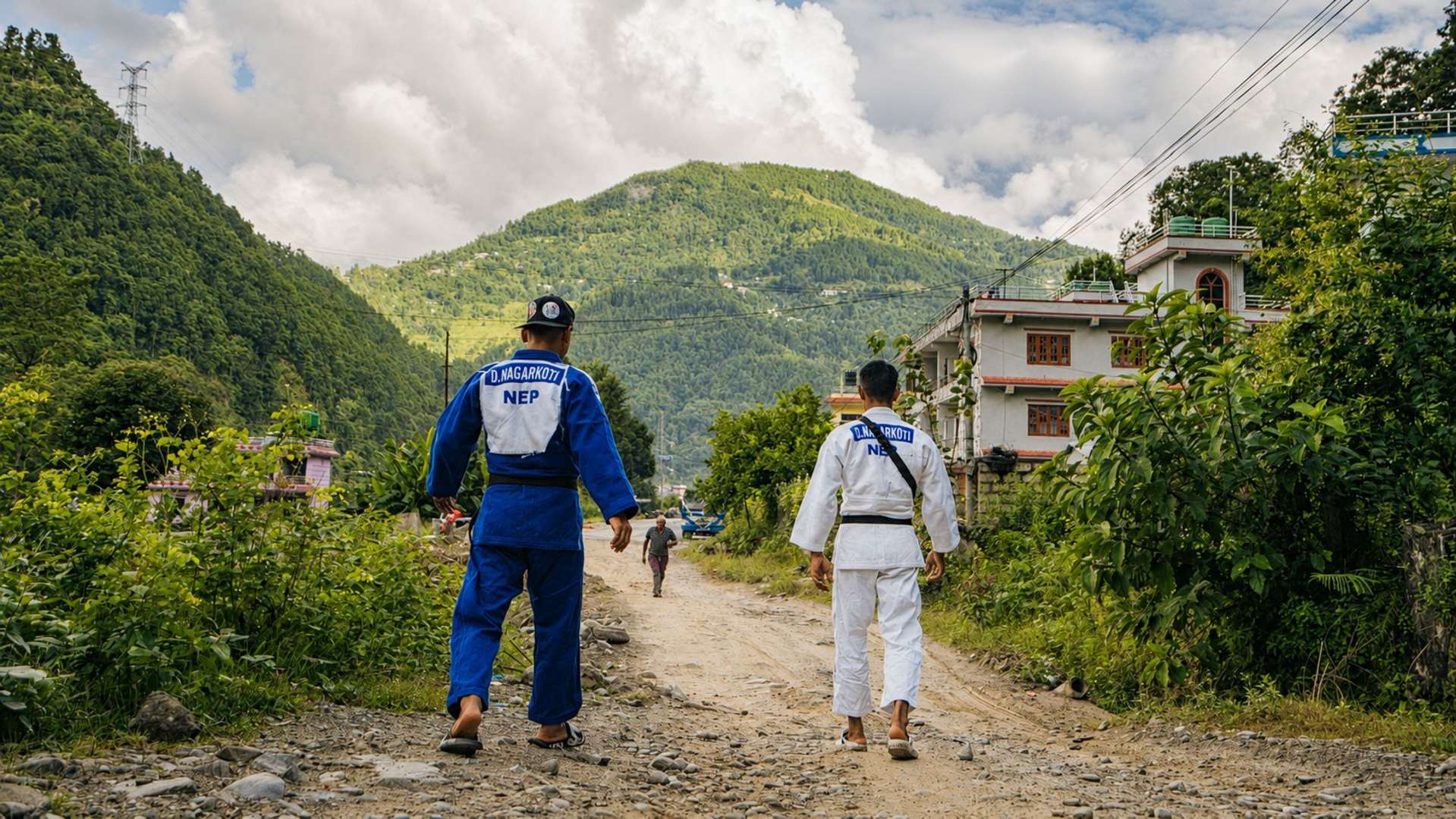
The judo community has been hit particularly hard. Local information has confirmed the deaths of at least eight young judoka from Betrawati, while many more children, families and members of the wider judo community remain unaccounted for. Several judoka have lost parents, relatives or their homes. For them, this is not a sporting crisis, it is a human tragedy affecting entire communities.
The International Judo Federation knows this valley. In 2016, the Judo for the World series travelled to the area, where judo was already helping young people rebuild confidence and hope after the earthquake that struck Nepal the previous year. The bonds formed then remain real today, which makes the news from Rasuwa, Betrawati and Nuwakot all the more painful for the global judo family.
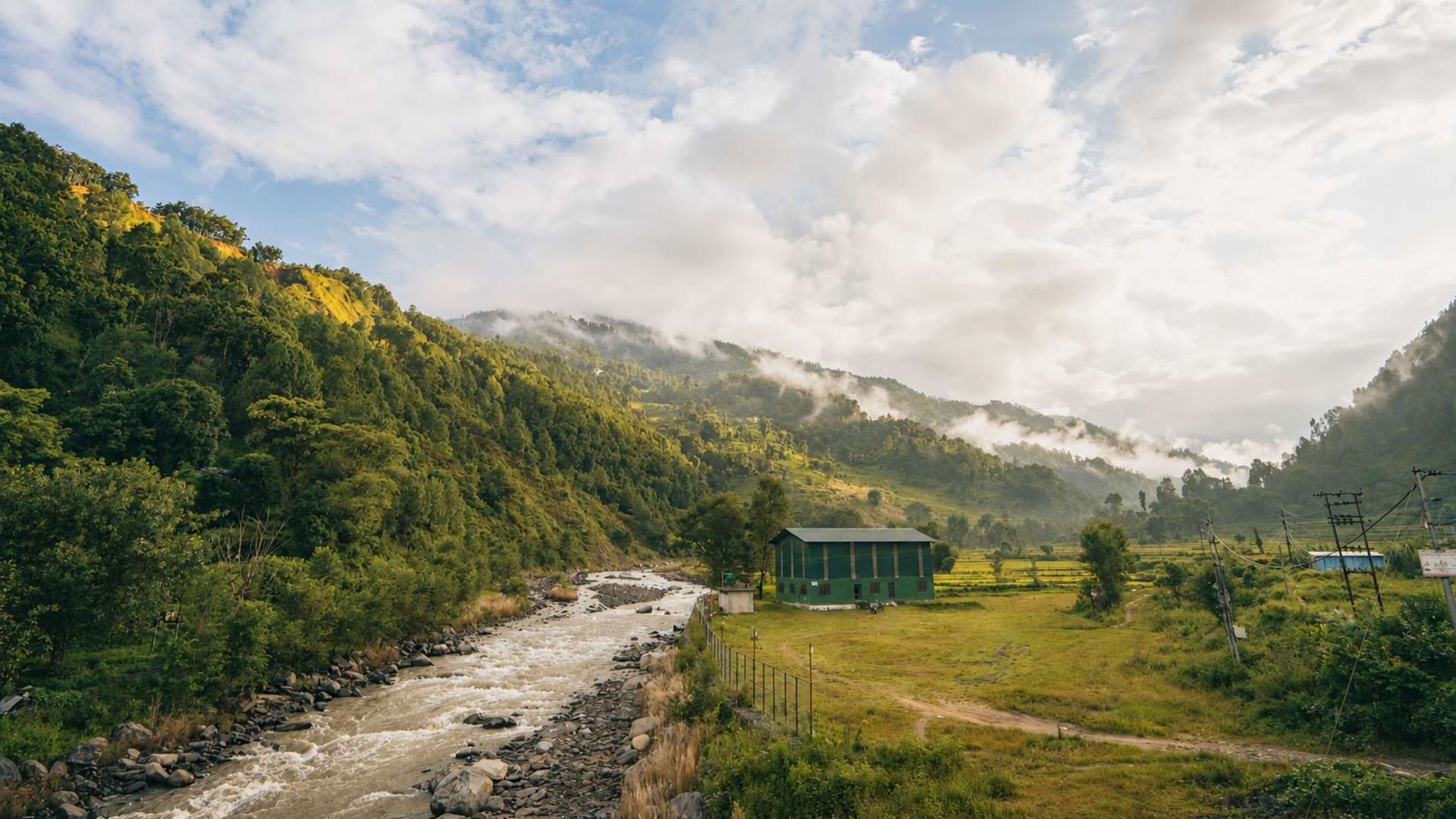
For Sabrina Filzmoser, who has been involved in Nepal for many years and has built close relationships with its judoka and their families, the situation has struck with particular force. Her first concern has been for the people she knows; the children, coaches, friends and families whose lives have been overturned. At the same time, she has immediately helped to co-ordinate her local network, working to reach those in need.
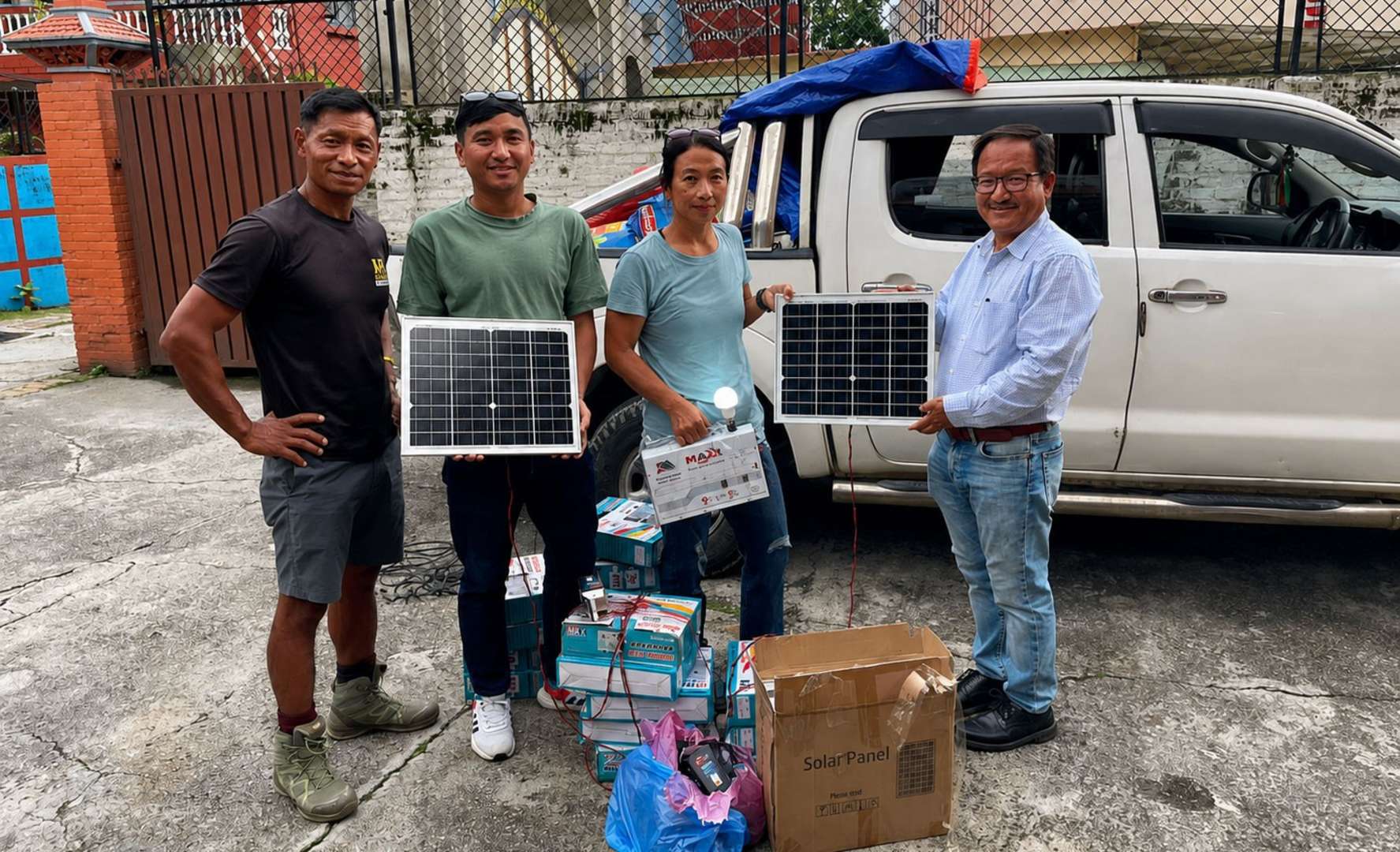
Sabrina's friends, Laxmi, Chandra, Bijay and partners from Nepal Cycling School were among the first to organise an emergency delivery of rice, tents, food, water and other essential supplies. Their journey towards Betrawati was made extremely difficult by mud, damaged roads and the weather, but they reached the area only days after the disaster. A second delivery is now being prepared. With heavy vehicles unable to access many affected locations, smaller vehicles are being used wherever possible.
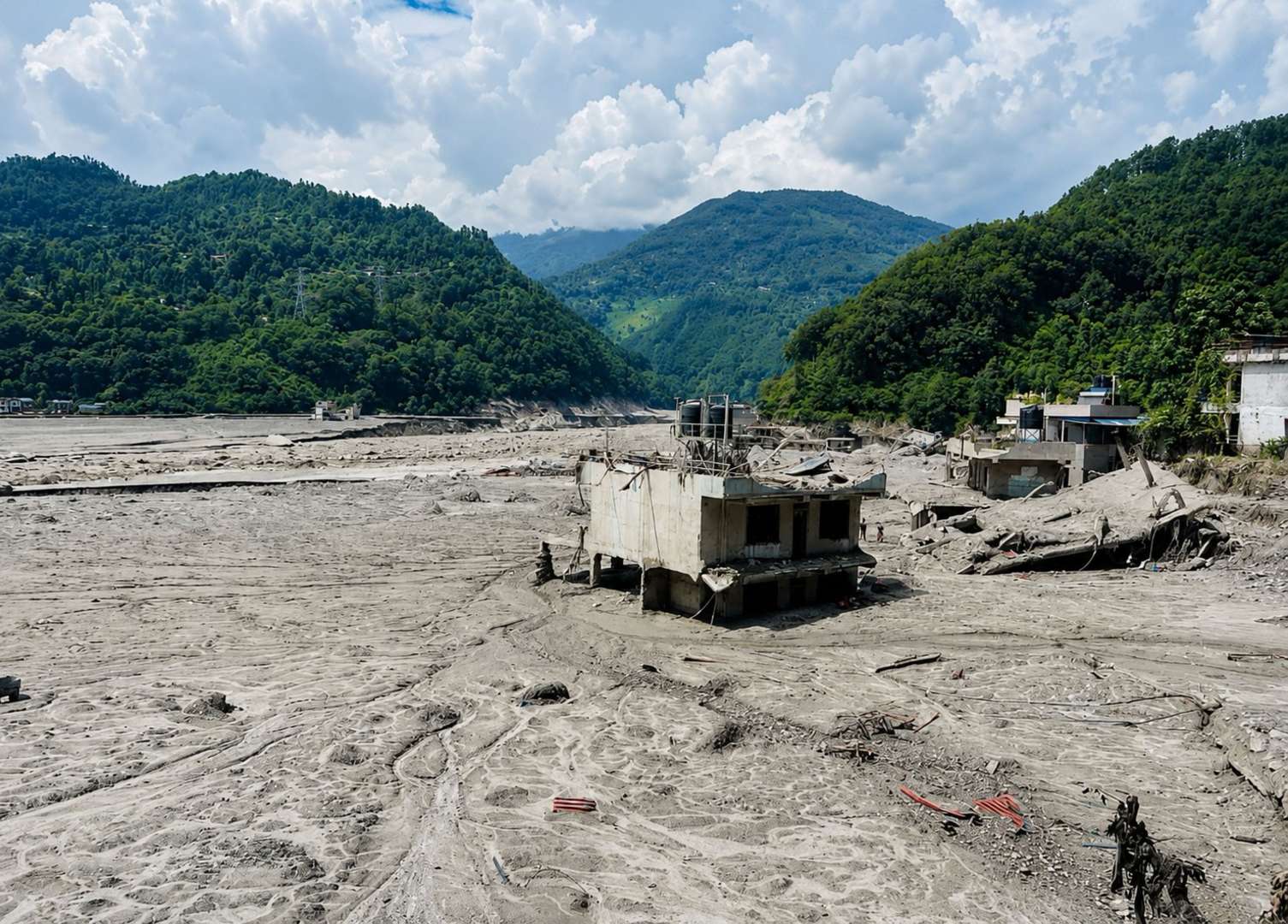
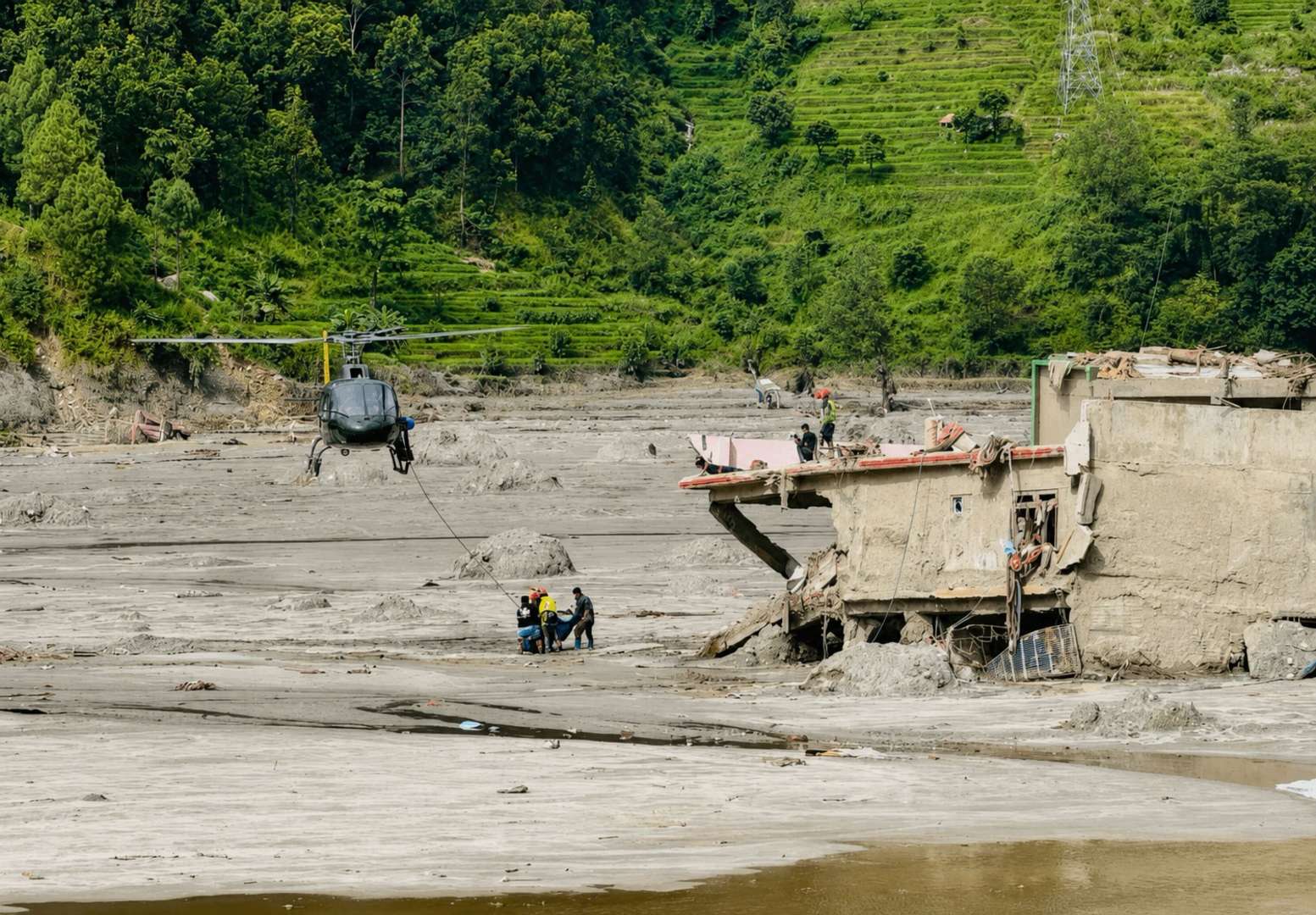
The immediate priorities are clear: reaching isolated communities with food, clean water, shelter and essential supplies; helping displaced judoka and their families find safe accommodation; restoring access to electricity, with solar panels among the urgent needs; and supporting efforts to bring those who can travel safely towards Kathmandu. Helicopter operations continue whenever conditions allow, alongside the work of the authorities, local rescuers and volunteers.
Some rescued judoka have already found temporary shelter in Kathmandu. Coaches, former athletes, mountain rescuers, friends and volunteers are working with extraordinary commitment, often without a complete picture of who is safe, displaced or still missing. The Nepal Judo Federation, led by its President Deepak Bajracharya, is also helping to collect and verify information as it becomes available.
This co-ordination has been strengthened by the valuable support and assistance of Timur Kemell, entrepreneur and true friend of the judo family, whose commitment to the people of Nepal was already clear during his visits to the Khumbu region. Having seen the challenges faced by remote communities and the importance of Everest Judo Club for local youth, first-hand, he responded to Sabrina Filzmoser’s call immediately when the disaster struck.
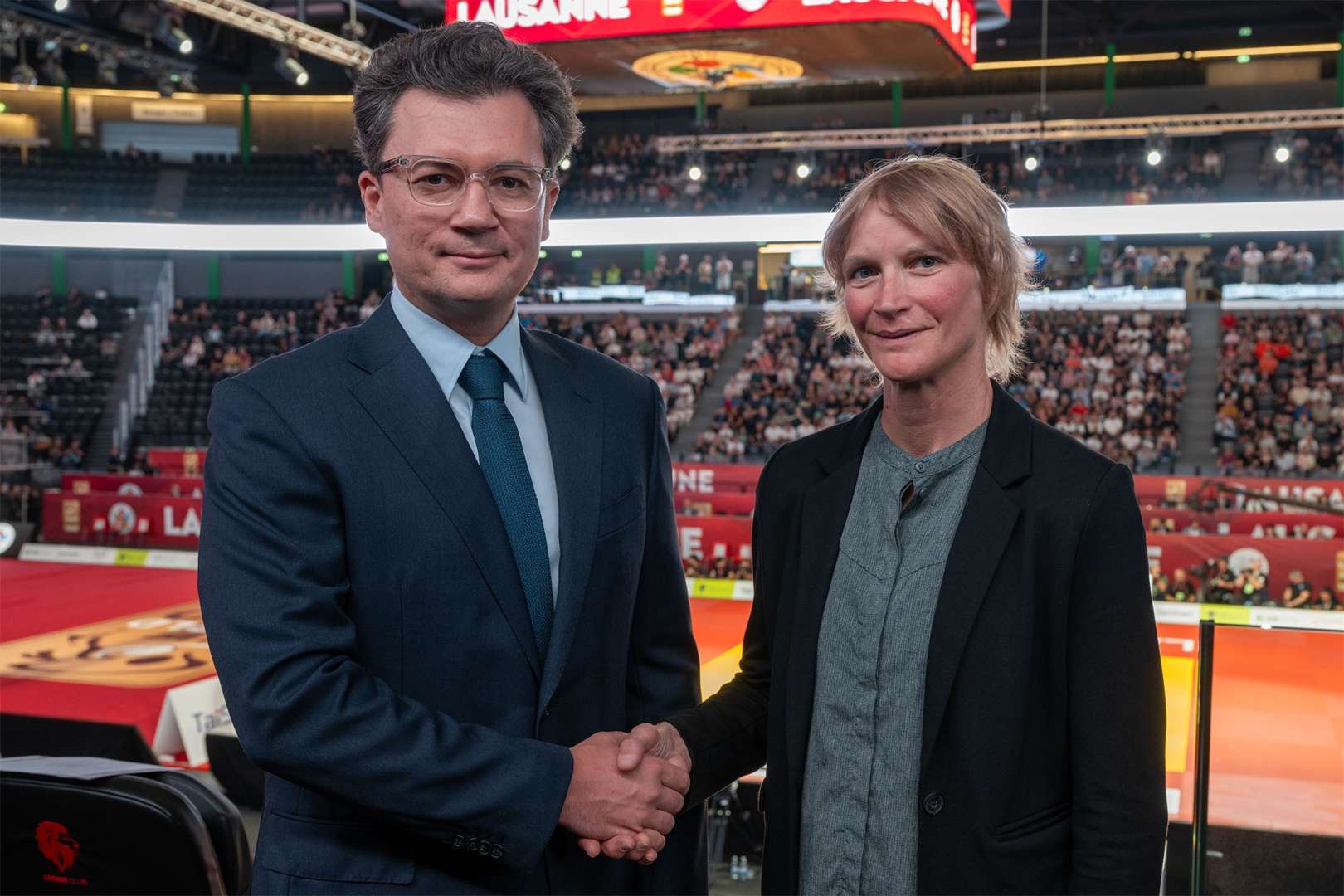
During their recent meeting in Lausanne, Sabrina Filzmoser, Timur Kemell and IJF President Marius Vizer co-ordinated a joint response. President Vizer expressed his full commitment to supporting the action, ensuring the IJF stands alongside the Nepalese judo community and that assistance is co-ordinated responsibly to reach those who need it most.
The situation remains fluid and each day brings new information. Yet amid the destruction, the response has already shown the strength of the judo family: local people acting for one another, a worldwide community standing alongside them, and the conviction that no judoka should be left alone in such a moment.
While the IJF makes its contribution, many other pockets of the world’s judo family are also committed to doing what they can. Since retiring, World Judo Tour medallist and Olympian Megan Fletcher (IRL) has married and begun raising her young family. Many of her husband’s family still live in Nepal and their village is one of those so terribly affected by the recent floods.
Hearing of the disaster, Megan and her husband mobilised immediately. Megan’s family run a garden centre in Berkshire in England which has opened its doors to receive donations of much-needed clothing, bedding, shoes and other items. The family are taking them personally to Nepal on various flights, in an effort to render aid face-to-face. CLICK HERE to help.
It is a tragedy on an unimaginable scale, hitting people who already live in a challenging environment. The judo community remains determined to contribute in every way possible. In Nepal, judo has long been more than a sport. Today, it is also a network of solidarity, courage and hope.