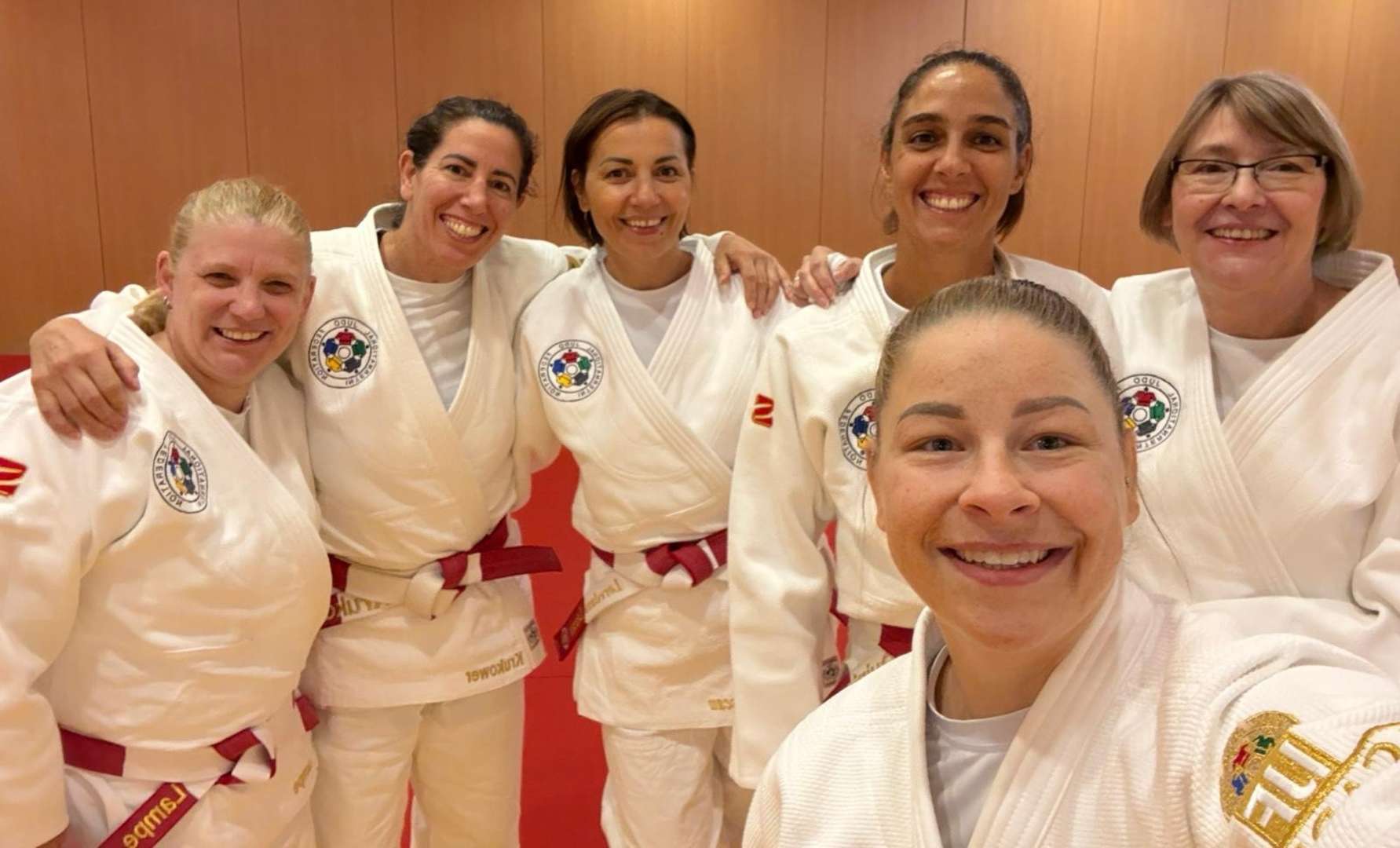

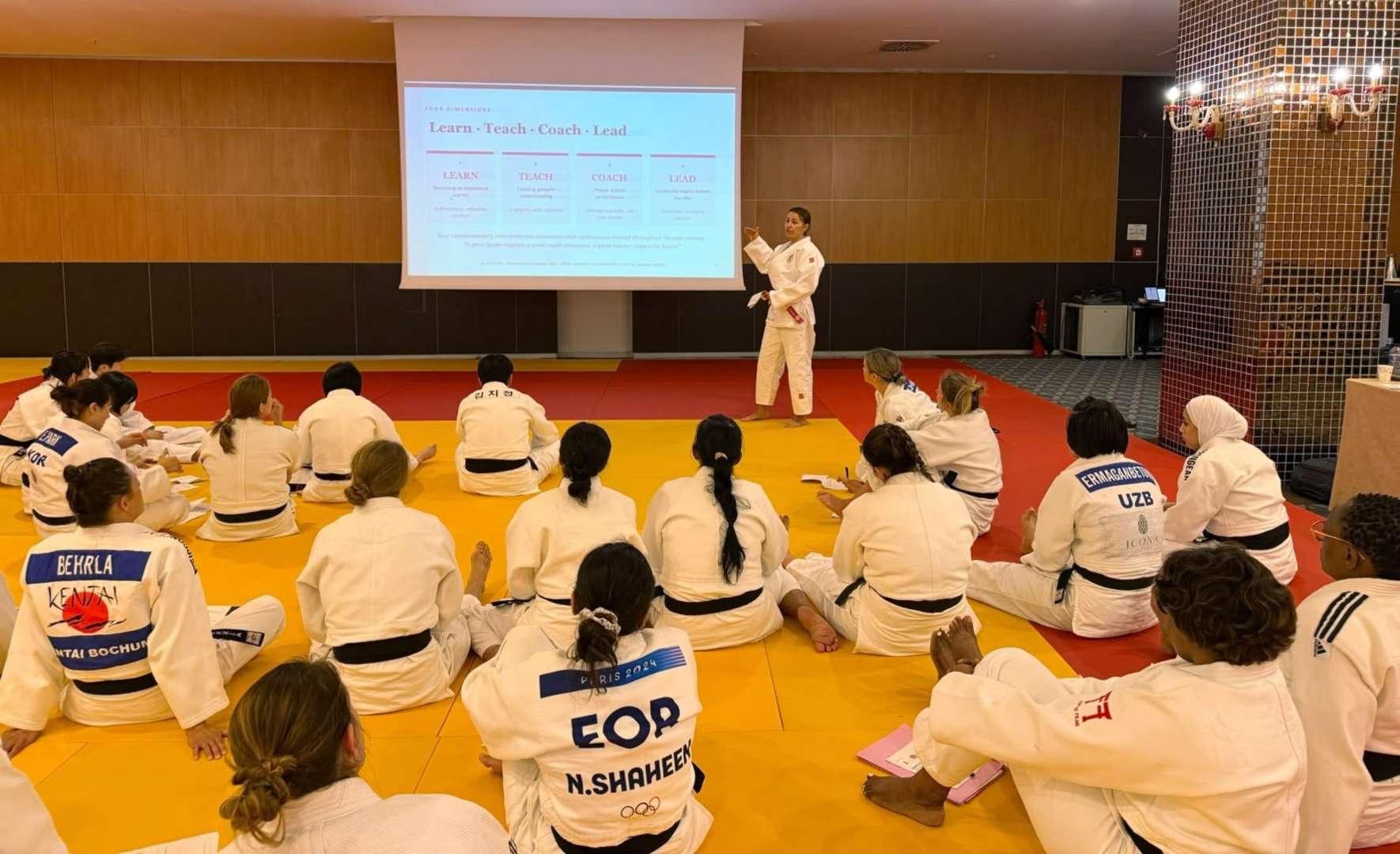
Held from 7th to 12th September, the session combined the Academy’s practical curriculum with discussions about the realities experienced by women in judo. Three WISH sessions brought these conversations directly into the dojo.
WISH, the Women in Sport High Performance Pathway programme, supports women’s development through learning, mentoring, leadership and international networks. In Istanbul, it gave participants a constructive space to discuss the opportunities and obstacles they encounter as athletes, coaches, referees and leaders.
Dr Lisa Allan, IJF Secretary General, attended the opening day and welcomed the initiative, “Any programme empowering women is a good one! This session shows that it is needed. The course is being led by strong, successful women. It is for the future and these women will share our sport with young women and girls. I was so happy to attend, meet the women and to watch them on the first day of the course. Meeting Nigara, a former IJF IRT athlete, and my old friend Veronique Akkermans after many years, was fantastic.”
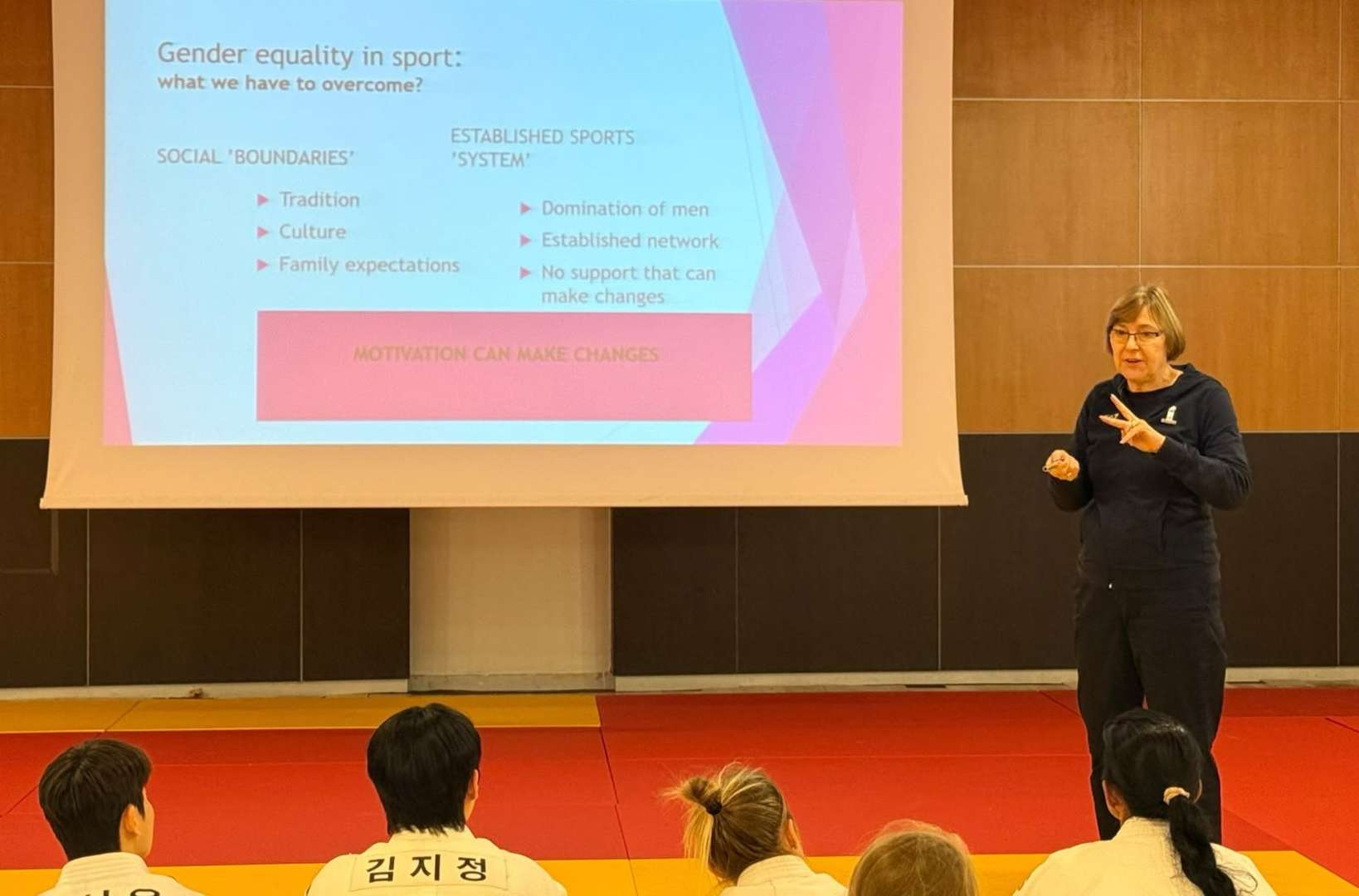
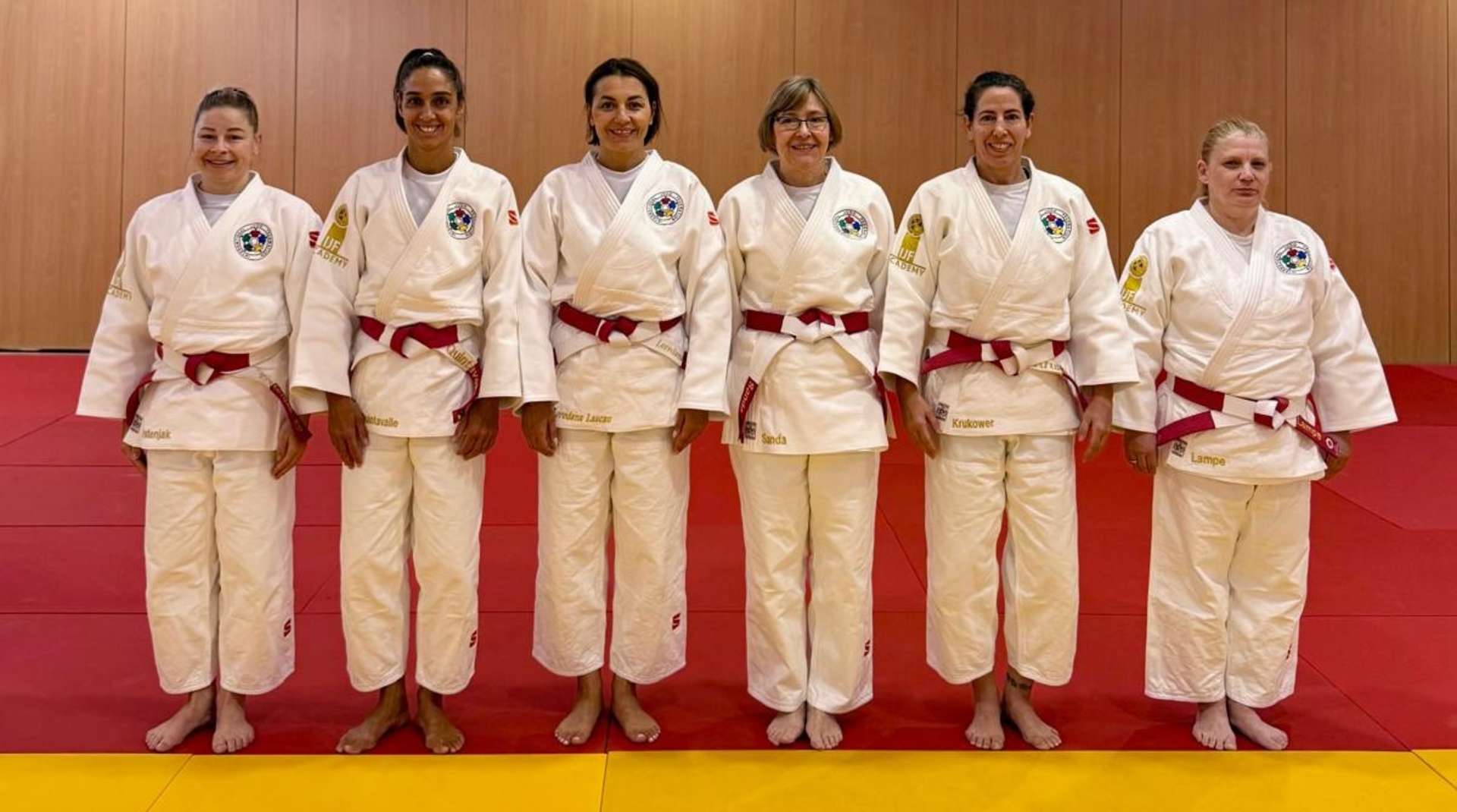
For Dr Sanda Corak, head of the IJF Gender Equality Commission, the first all-women practical session had already shown the value of such a gathering. “Women are open in discussions about their judo life, about possible obstacles in their private life and those coming from the sports system. They were also very satisfied because they were able to connect with other women and build networks where they could exchange ideas and plans. This was the main reason for organising this second edition.
Together with Loredana Lascau, Dr Corak led discussions on gender equality and on initiatives supporting women at every level of judo. “During these three days, we discussed the main obstacles participants might face and suggested activities that their national federations or the IJF could develop to empower them and retain them in judo,” she explained. “Judo has truly changed their lives and they trust that everything is possible with judo on their side.”
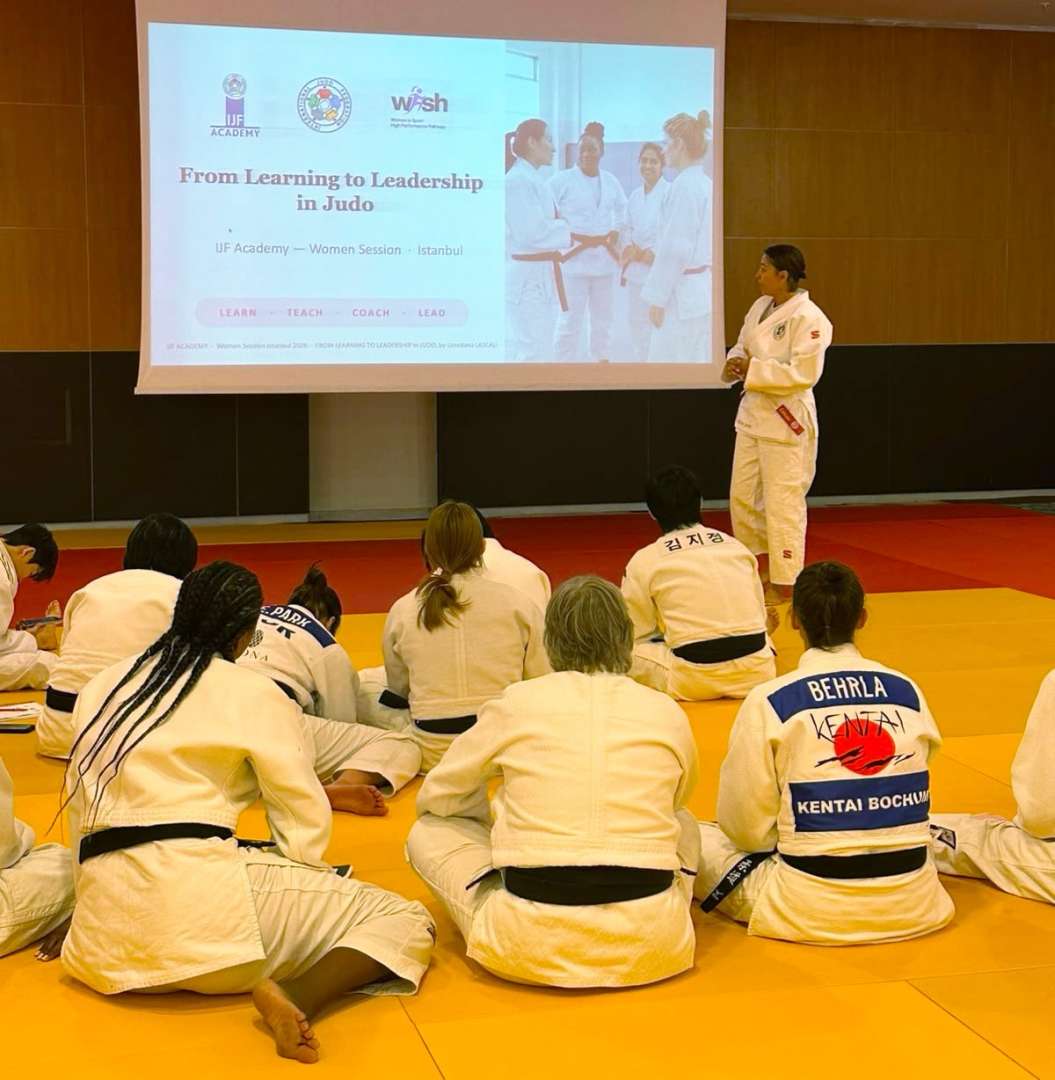
Loredana Lascau, IJF Sakura Programme expert, saw the Istanbul session as a continuation of the first edition, held in Rome in 2025. “It continues to strengthen opportunities for women to develop their knowledge, confidence and leadership skills within judo.
The programme creates a bridge between the experience of the IOC WISH programme and the developing Sakura initiative, translating broader principles of women’s development into a judo specific educational context.
I introduced the Learn, Teach, Coach, Lead framework, exploring the different stages of a woman’s development in judo: from learning as an athlete, to teaching others, coaching people and ultimately leading within clubs, federations and organisations. This is an important step towards a more structured educational pathway for women in judo, developing not only technical competence but also confidence, adaptability, communication and leadership.”
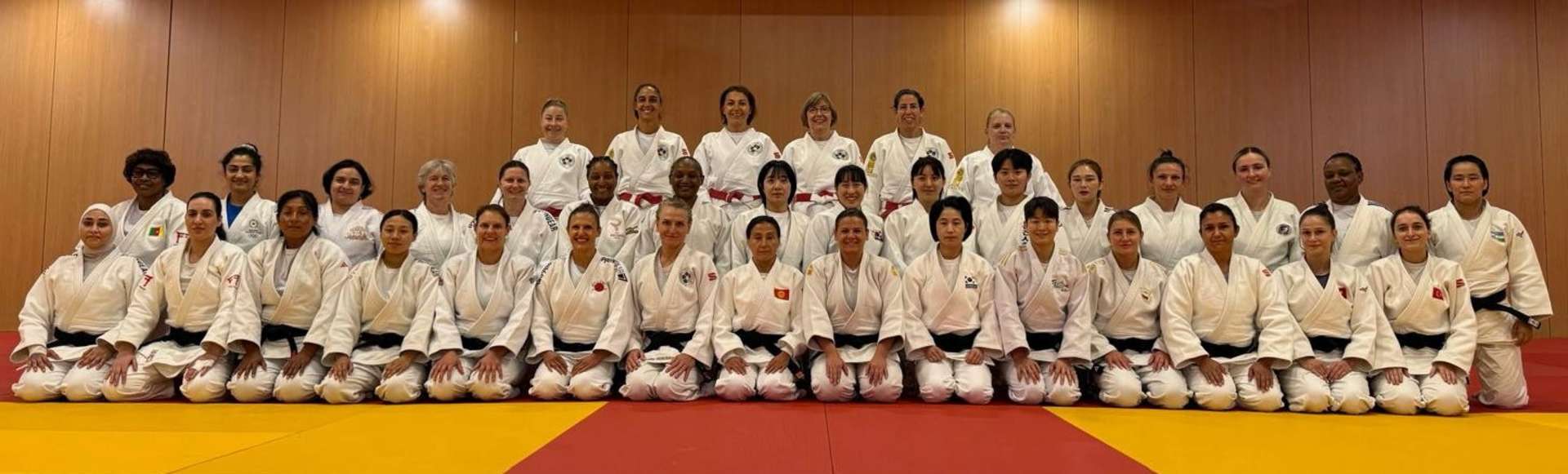
For Veronique Akkermans of the Netherlands, one of the most experienced coaches in the group, the atmosphere was central to the experience. “I am happy that the IJF Academy organised this all-women practical session because the atmosphere is very positive and we all feel safe to ask questions. In mixed groups, the differences in applying techniques can sometimes be too great. Although gender equality has been achieved in my country, I feel good here because I can learn from other female coaches.”
Carline Young, a coach from Ontario, Canada, highlighted the strength of the international exchange. “It was a unique and valuable experience to connect with women from all over the world and hear their perspectives. I especially enjoyed the WISH presentation. I have gained valuable information that I can now share within my own organisation.
One of my personal goals is to help women and girls stay in judo and find their place. This presentation gave me new insight into their needs and showed me where I can improve.”
Tina Trstenjak, Olympic and world champion and IJF Academy expert, concluded, “Having this dedicated space once a year gives us the opportunity to connect, learn from each other and discuss the challenges and opportunities for women in our sport openly.
When women support and empower each other, we create a stronger, more inclusive judo community and a stronger future for our sport.”