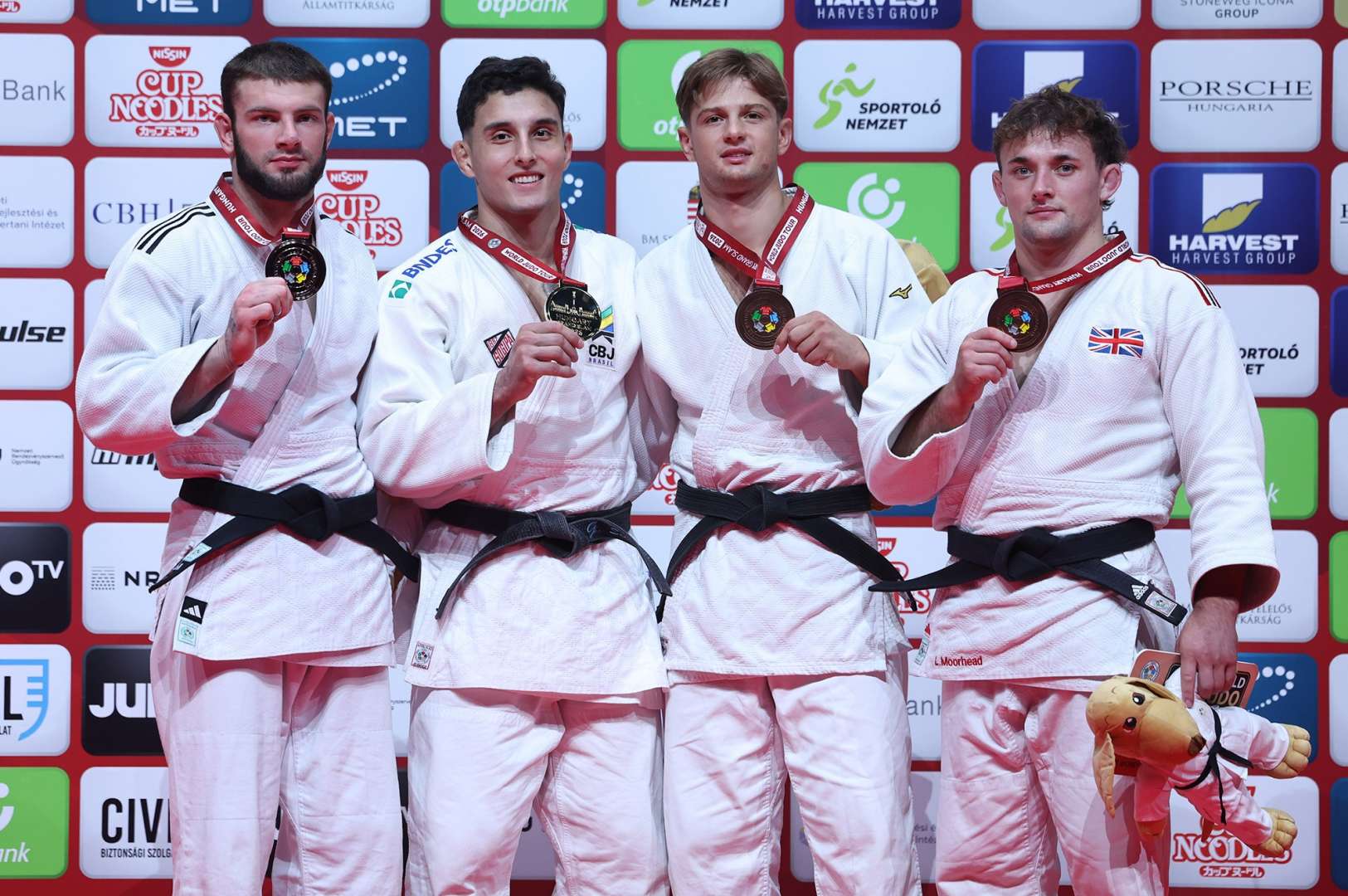


Rutovic came into the competition ranked fifteenth among seniors and second among juniors. The 20-year-old Serbian has enjoyed a breakthrough 2026 season, winning his first grand slam title at the Qazaqstan Barysy Grand Slam in Astana, again against Guilherme Schimidt, before adding bronze at the Ulaanbaatar Grand Slam to his growing list.
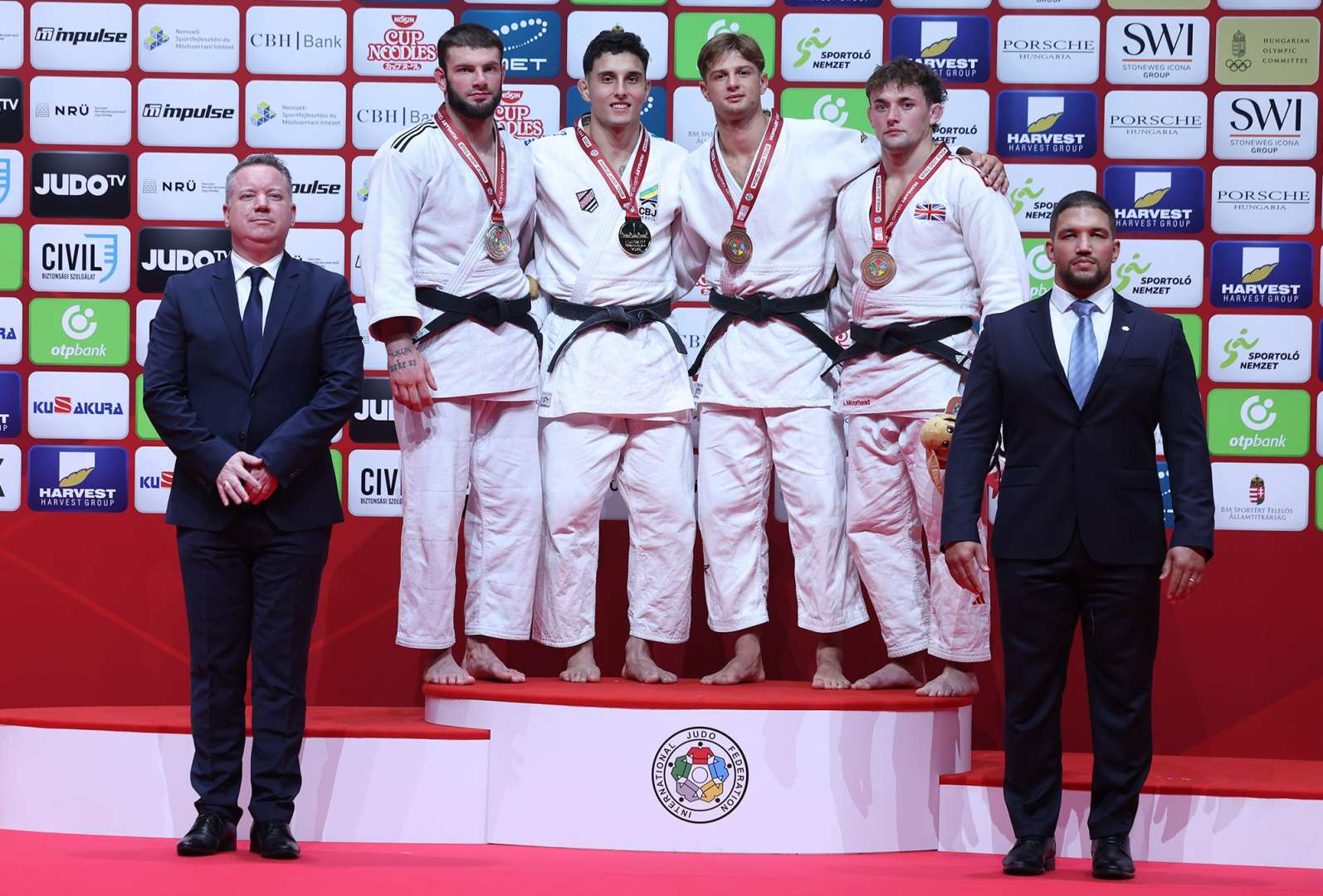
A cautious Schimidt received the first penalty of the final. The Brazilian was then penalised for a second time in the latter stages of the contest, putting him under real pressure. However, with less than a minute remaining, he slipped beneath his opponent and launched a perfectly timed seoi-otoshi. Initially awarded a waza-ari, the score was upgraded to ippon quickly. It was Schimidt’s third grand slam title and his second in Budapest.
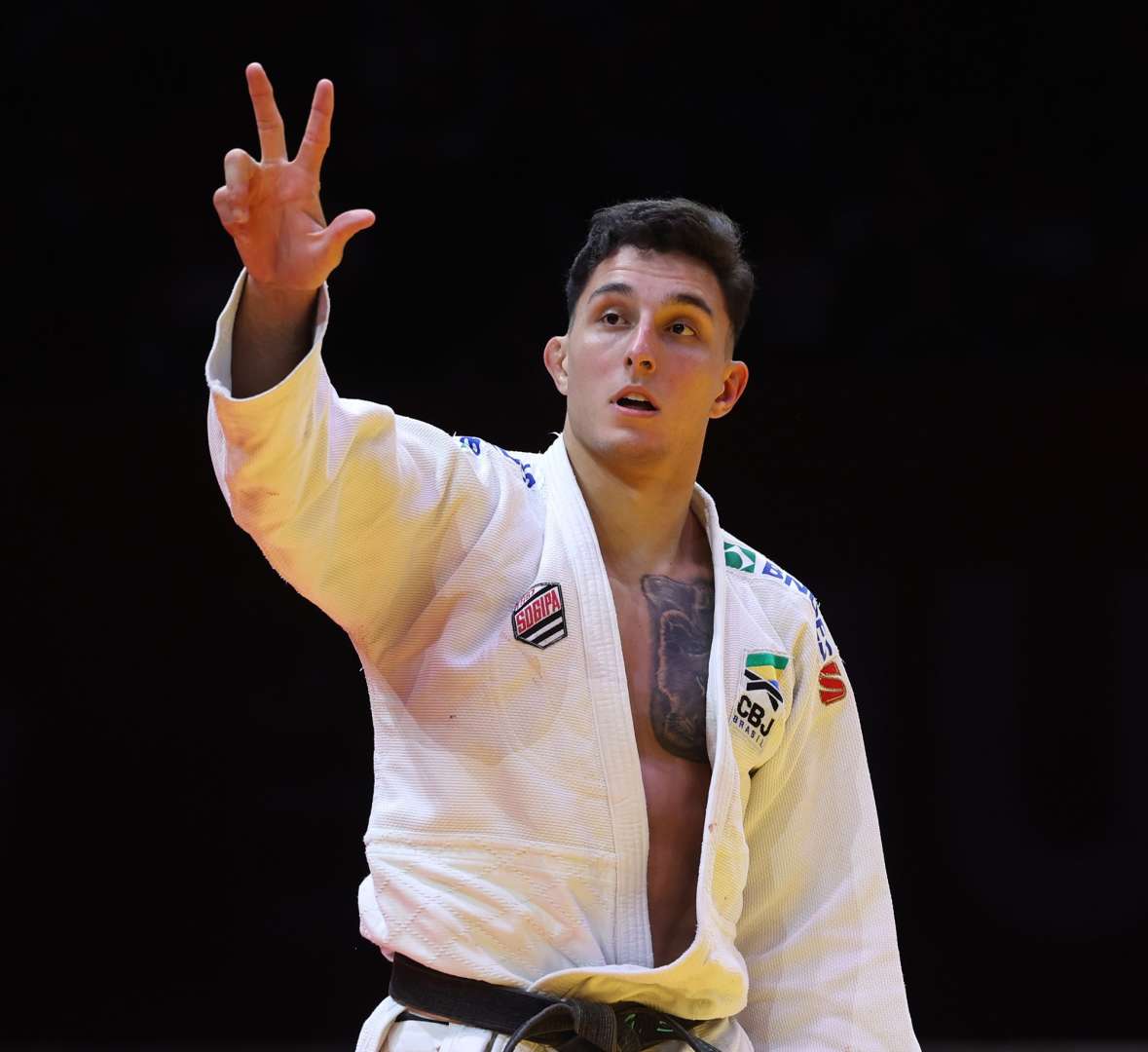
Guilherme Schimidt explained, "I am very happy as it has been a year since my surgery and my move to the -90 kg category. Winning my first -90 kg grand slam title here in Budapest, where I previously won at -81 kg, makes me feel extremely grateful. This is my fifth time in Budapest and my third medal here; I love the crowd's energy and truly feel at home. Moving to -90 kg was mostly about adapting and earning international opportunities, especially given Brazil's strong roster. Now I am fully adapted, I feel stronger without the harsh weight cut and am targeting the world championship gold medal."

Mihail Latisev (MDA), ranked tenth in the world, faced Astemir Abazov (RUS) in the first bronze medal contest. Latisev was first to score, taking the advantage with a reverse seoi-otoshi for a yuko. Seconds later, he followed with two further attacks, a counter and then a seoi-otoshi, each scoring a waza-ari to secure the bronze medal.

Lachlan Moorhead (GBR) and Yahor Varapayeu (BLR) contested the second bronze medal. With two penalties each, it was Moorhead who found the decisive score in the final minute, throwing with a forward kata-guruma, reminiscent of Saeid Mollaei, to take the bronze.
Final (-90 kg)
Bronze Medal Fights (-90 kg)